Mangalore IAS - Current Affairs 2026
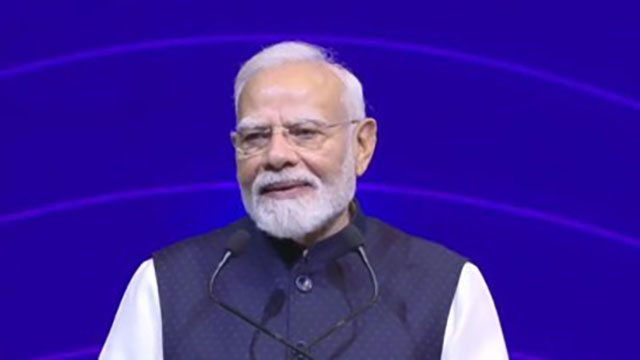
1. PM Modi Inaugurates SEMICON India 2026
Prime Minister Narendra Modi inaugurated the fifth edition of SEMICON India 2026 on September 17, 2026, at Yashobhoomi in New Delhi. Running from September 17 to 19, 2026, the three-day global summit is organized under the theme "Silicon to Systems: Building the Ecosystem".
It highlights India’s rapidly growing semiconductor ambitions, its evolution into a trustworthy global supply chain hub, and massive regulatory upgrades designed to build a complete chip manufacturing ecosystem.
2. Fed Raises Rates by 25 bps
he US Federal Reserve raised its benchmark interest rate by 25 basis points to 3.75%-4% on September 16, citing elevated inflation and signalling another hike in 2026.
Will the RBI Increase the Repo Rate?
While the RBI did not follow up with an interest rate hike post the Fed’s decision, its next MPC meeting is scheduled from October 5 to October 7, 2026. At its last meeting, the RBI left the repo rate unchanged at 5.25%.
However, with the emergence of renewed inflationary pressures, expectations of a rate hike have gone up. SBI Research has recommended a 25-basis point rate hike in October, followed by another 25-basis point rate hike in December on account of several factors including rising crude oil
Why Does Inflation Matter for the RBI?
The monetary policy of the RBI is focused on controlling inflation based on the Consumer Price Index (CPI) at 4%, with a range of 2% to 6%.
If there is an increase in inflation, the purchasing capacity of the consumers will get affected, which can make it hard for the central bank to keep prices stable. An increase in interest rates would make borrowing costlier and help in controlling inflation.
But on the other hand, the RBI needs to keep the economic growth in mind because an increase in interest rates would make borrowing expensive.
3. Karnataka cabinet to hold first-ever meeting in Mangaluru amid coastal districts’ development hopes
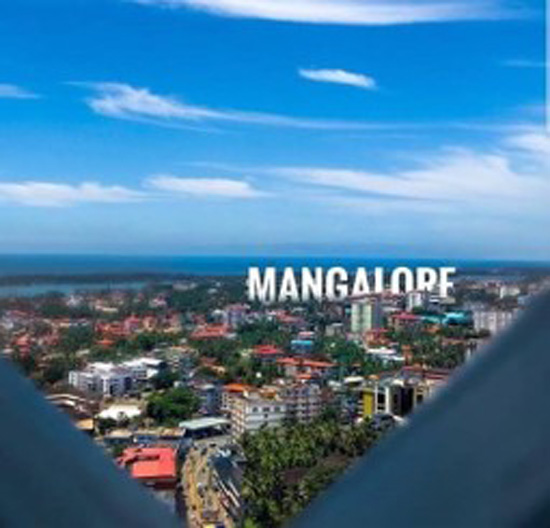
The first-ever Karnataka State Cabinet meeting in Mangaluru is taking place today, September 18, 2026.This historic event marks the first time the state's highest decision-making body has convened in the coastal city, shifting the focus directly toward the development of Coastal Karnataka,
Key Focus Areas: The meeting is prioritizing long-pending proposals from the three coastal districts (Dakshina Kannada, Udupi, and Uttara Kannada). Major agenda items include: Boosting regional tourism and infrastructure Establishing a Malnad Tourism Corporation Resolving local sand and laterite mining policies Addressing demands to accord official language status to Tulu.

4. Why Is International Equal Pay Day Observed on September 18?
International Equal Pay Day is observed on September 18 to signify that women globally must work nearly three extra months into the year to earn what men earn in a single year. Established officially by the United Nations General Assembly in 2019 and first commemorated on September 18, 2020, the date serves as a powerful mathematical indicator of the global gender wage gap, which sits stubbornly at approximately 20%.
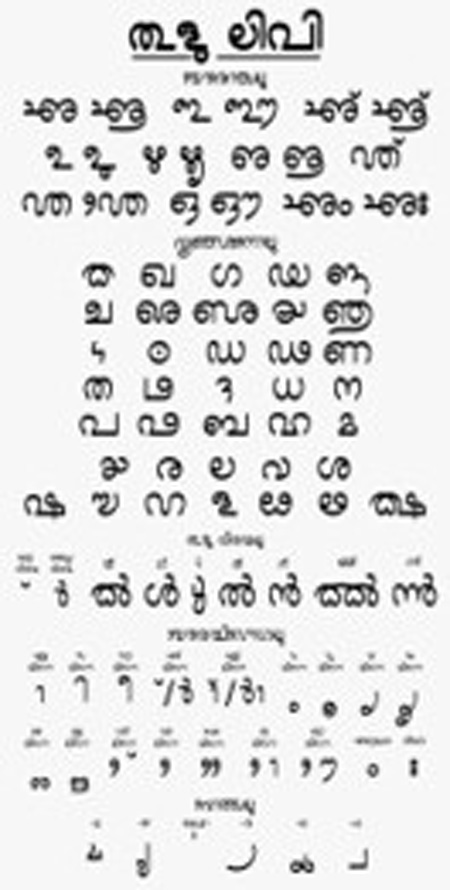
5. The Karnataka Tulu Sahitya Academy was established during Chief Minister M. Veerappa Moily’s tenure in 1994, marking an early institutional step toward promoting the language.
Since then, the proposal to recognise Tulu as an additional official language has passed through a series of committees examining its historical case and administrative feasibility, according to GVS Sudhakar Shetty, a member of the Gayatri Committee.
The first was during Arvind Limbavali’s tenure as the Minister for Kannada and Culture. Officials from the Kannada and Culture Department and representatives of the Karnataka Tulu Sahitya Academy met in August 2021 to discuss the need to recognise Tulu officially.
The key issue was the distinction between making Tulu a “second official language” and recognising it as an “additional official language” for specified administrative purposes, without displacing Kannada’s status.
The meeting also examined the constitutional route for recognition, particularly Article 345, which allows a State Legislature to adopt one or more languages for all or any of the state’s official purposes.
A subsequent committee headed by Mohan Alva (Mohan Alva Committee) submitted its report in February 2023. The report documented Tulu’s history and culture, the population, Tuluvas’ achievements and contributions, and the historical relationship between Tulu and Kannada.

6. Declaring Tulu as a "secondary" or second official language in Karnataka means giving the regional Dravidian tongue official legal status and government recognition alongside Kannada under Article 345 of the Indian Constitution.
What Second Official Status Means Official Use: The state government can authorize using Tulu for official administrative work, legislative correspondence, or public notices in regions where it is widely spoken (like Dakshina Kannada, Udupi, and parts of Kasaragod).
Education and Culture: It strengthens support for teaching Tulu in local schools, funding cultural academies, and preserving its rich oral and literary traditions.
Legal Context: Unlike languages in the Eighth Schedule of the Constitution, a state-level second official language is adopted through a specific state legislative act to support regional inclusion and governance.
7. SLINEX-26
India and Sri Lanka are conducting the 13th edition of their annual maritime exercise known as SLINEX-26 from September 17 to 21, 2026 in Visakhapatnam. SLINEX involves interaction between both navies in professional, joint, and operational activities. This exercise will commence with Harbour Phase and then proceed to Sea Phase, which is going to place special emphasis on operational coordination and interoperability. Over the years, SLINEX has become an important platform for fostering maritime cooperation and understanding between Indian and Sri Lanka Navies.
Ships participating are,
Indian Navy: INS Kavaratti and INS Jyoti
Sri Lanka Navy: SLNS Sindurala
SLINEX-26 also fits into India’s MAHASAGAR initiative, which promotes security, stability, and inclusivity in the maritime domain.

8. QDENGA Dengue Vaccine
QDENGA, also referred to as TAK-003, is a live attenuated tetravalent dengue vaccine.
It is intended to provide protection from the four types of the virus,
- DENV-1
- DENV-2
- DENV-3
- DENV-4
India set to get its first approved dengue vaccine with QDENGA to be marketed in the private sector in the first six months of 2027. The vaccine, which has been developed by the Japanese drug manufacturing company, Takeda, has received marketing authorisation from the Indian Central Drugs Standard Control Organisation (CDSCO) in July 2026 for use among people aged between 4 and 60 years.
The development has increased the ways of dengue prevention, including controlling mosquitoes and minimizing exposure to Aedes mosquitoes.
9. Government dissolves 37-year-old Digital Communications Commission
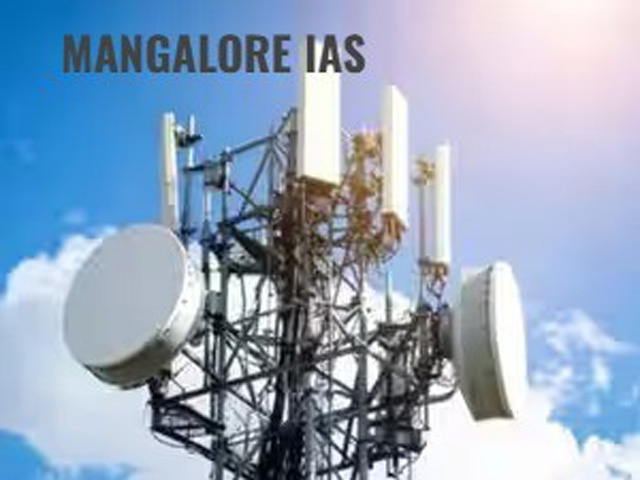
The government has notified the dissolution of the Digital Communications Commission (DCC), the Department of Telecommunications' apex decision-making body that has handled policy matters and proposals with significant financial implications for nearly 37 years.
The body was established as the Telecom Commission in 1989 and renamed the Digital Communications Commission in 2018.
It comprised senior officials from NITI Aayog, the Finance Ministry, the Department of Industrial Policy and Promotion and other government departments. The commission helped resolve complex telecom policy issues and finalised decisions on most matters before they were referred to the Cabinet for approval.
Its responsibilities included decisions on spectrum pricing and recommendations made by the Telecom Regulatory Authority of India (Trai).
10. 11th Ayurveda Day 2026
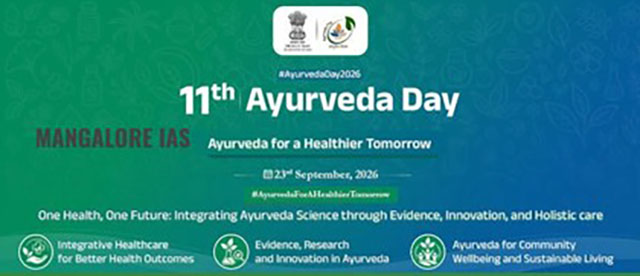
India to celebrate the 11th Ayurveda Day on September 23, 2026, celebrating the country’s more than 5,000-year-old system of traditional medicine and its increasing integration with modern healthcare. The theme for Ayurveda Day 2026 is “Ayurveda for a Healthier Tomorrow”.
Ayurveda literally derives from “Ayu” meaning life and “Veda” meaning science. Its origins can be traced to the Rigveda, while classical Ayurvedic knowledge is also described in texts such as the Charaka Samhita and Sushruta Samhita.
Ayurveda views health as a balance involving the doshas, agni, dhatus and malas, together with the mind, senses and overall well-being of an individual.
- Weekly Wisdom - September 18, 2026
- Weekly Wisdom - September 11, 2026
- Weekly Wisdom - September 4, 2026
- Weekly Wisdom - August 28, 2026
- Weekly Wisdom - August 16, 2026
- Weekly Wisdom - August 7, 2026
- Weekly Wisdom - August 1, 2026
- Weekly Wisdom - July 25, 2026
- Weekly Wisdom - July 18, 2026
- Weekly Wisdom - July 11, 2026
- Weekly Wisdom - July 3, 2026
- Weekly Wisdom - June 26, 2026
- Weekly Wisdom - June 19, 2026
- Weekly Wisdom - June 12, 2026
- Weekly Wisdom - June 5, 2026
- Weekly Wisdom - May 29, 2026
- Weekly Wisdom - May 22, 2026
- Weekly Wisdom - May 15, 2026
- Weekly Wisdom - May 8, 2026