Daijiworld Media Network - Jerusalem
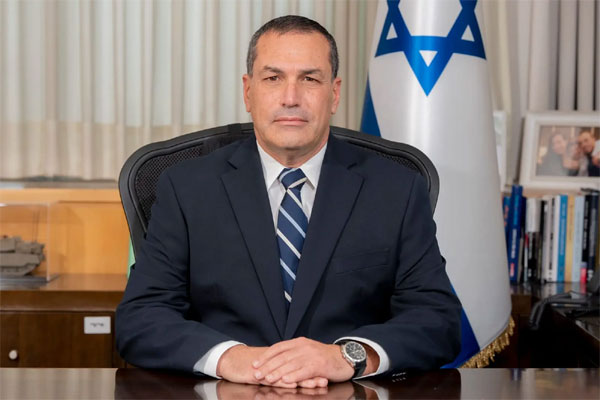
Jerusalem, May 16: Israeli military chief Eyal Zamir and several top security officials reportedly made undisclosed visits to the United Arab Emirates (UAE) during the recent conflict involving Iran, according to a report aired by Israel’s state-owned Kan TV News on Friday.
The report claimed that Zamir held high-level discussions with UAE President Sheikh Mohamed bin Zayed Al Nahyan as well as senior Emirati security officials during the confidential trip. However, the channel did not disclose the precise timing of the visit, which reportedly took place during the war that began on February 28 and continued until a ceasefire was reached on April 8.
The disclosure comes days after Israeli Prime Minister Benjamin Netanyahu’s office announced that he too had secretly travelled to the UAE during the conflict and met with the Emirati President. The claim, however, was swiftly denied by the UAE Ministry of Foreign Affairs, which stated that no such visit by Netanyahu had taken place.
Israeli media had earlier reported that Mossad chief David Barnea and Shin Bet director David Zini also visited the UAE privately during the same period, suggesting intense behind-the-scenes engagement between the two countries amid rising regional tensions.
Kan TV noted that the reported meetings reflect increasingly close strategic relations between Israel and the UAE following the Abraham Accords, which normalised diplomatic ties between the two nations. Since then, cooperation in trade, tourism, technology, intelligence-sharing and regional security has expanded significantly.
Analysts believe the reported secret meetings may have involved discussions on regional security coordination, evolving geopolitical challenges in West Asia, economic cooperation and the broader implications of the Iran conflict.
Political observers in Israel described the developments as among the most sensitive diplomatic initiatives undertaken by Netanyahu’s government in recent months.
The revelations emerge at a time when the Middle East continues to witness shifting regional alliances, heightened security concerns and renewed diplomatic outreach among major powers in the region.