Daijiworld Media Network - New Delhi
New Delhi, Apr 3: Cancer has emerged as a significant cause of mortality among children in India, ranking among the top ten causes of death, according to a study published in The Lancet.
The findings, based on data from the Global Burden of Disease Study 2023, indicate that while infectious diseases are declining, non-communicable diseases such as cancer are increasingly posing a serious threat to child survival in the country.
Data from the Indian Council of Medical Research’s National Centre for Disease Informatics and Research (ICMR-NCDIR) shows that childhood cancers accounted for around three to five per cent of all cancers in India in 2022. Each year, an estimated 50,000 to 60,000 new cases are reported among children aged 0 to 14 years, placing India among countries with the highest burden globally.
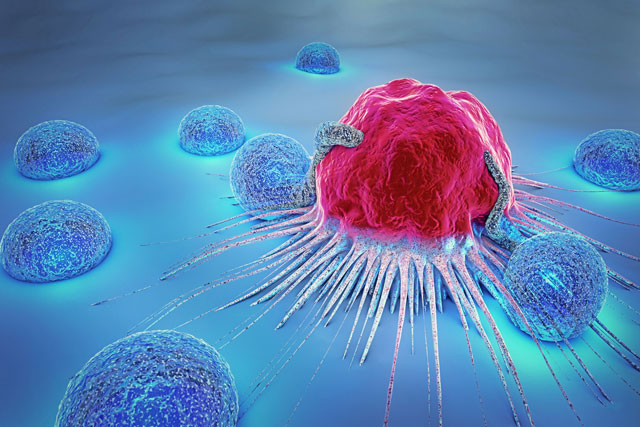
Globally, about 377,000 new cases of childhood cancer and 144,000 related deaths were reported in 2023, highlighting the growing public health challenge.
Leukaemia, or blood cancer, remains the most common form of childhood cancer in India, followed by lymphomas and central nervous system tumours. Incidence rates vary across regions, with urban centres reporting higher cases due to better detection and reporting systems.
Experts warn that the actual burden may be higher due to underreporting and limited access to diagnostic facilities, especially in rural areas. Delayed diagnosis remains a major concern, as early symptoms often resemble common illnesses, leading to late-stage detection and reduced treatment success.
The ICMR factsheet noted that many children reach specialised cancer centres only in advanced stages of the disease. Access to paediatric oncology services is largely concentrated in urban areas, forcing families from rural regions to travel long distances, often causing delays in treatment.
Financial challenges further complicate care, with expenses related to travel, accommodation, and loss of income contributing to treatment discontinuation in several cases.
While survival rates for childhood cancers exceed 80 per cent in high-income countries, outcomes in India remain uneven. Leading urban centres have reported survival rates comparable to developed nations for certain cancers such as acute lymphoblastic leukaemia, but disparities persist across regions.
Experts also flagged the lack of long-term follow-up care for survivors, including monitoring for late treatment effects such as secondary cancers and developmental issues.
The report emphasised the need for strengthening paediatric cancer care through improved infrastructure, trained specialists, better referral systems, and expanded cancer registries to ensure accurate data and timely intervention.