Daijiworld Media Network - New Delhi
New Delhi, May 21: Doctors from the All India Institute of Medical Sciences (AIIMS) have urged citizens to take extra precautions against heat-related illnesses as soaring temperatures continue to affect several parts of the country.
Medical experts at AIIMS Delhi said hospitals are witnessing an increase in cases of dehydration, heat exhaustion and heat stroke due to the ongoing heatwave conditions.
Dr Piyush Ranjan, Additional Professor in the Department of Medicine at AIIMS Delhi, warned that rising temperatures often lead to dehydration, which occurs when the body loses excessive water and essential salts.
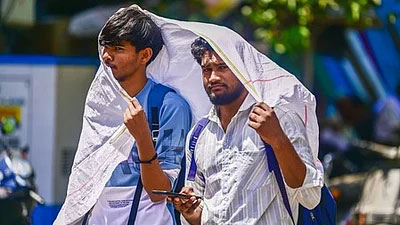
He said untreated dehydration can gradually develop into heat stroke, commonly referred to as “loo lagna”, and in severe cases may even lead to unconsciousness.
Advising people on preventive measures, Dr Ranjan recommended avoiding outdoor exposure during the hottest hours of the day.
“As far as possible, people should avoid stepping out between 11 a.m. and 4 or 5 p.m., when temperatures are at their highest,” he said.
He further advised individuals who must travel outdoors to wear full-sleeved clothing, cover their heads with caps, scarves or turbans, and use umbrellas to minimise direct exposure to sunlight.
Dr Ranjan also emphasised the importance of proper hydration before leaving home.
“People should consume adequate water before stepping outside. Ideally, one or two litres of water should be consumed beforehand. Electrolyte drinks or ORS should also be taken to maintain the body’s salt and water balance,” he added.
Dr Neeraj Nishchal, Professor in the Department of Medicine at AIIMS, said drinking plain water alone may not be sufficient during extreme heat because the body also loses salts through sweating.
According to him, oral rehydration solutions (ORS) and electrolyte-based fluids are more effective in preventing dehydration during heatwaves.
He also recommended traditional cooling drinks and foods such as bel sharbat, shikanji and lentil water to help maintain hydration levels naturally.
Doctors noted that hospitals are currently reporting increasing cases of symptoms linked to extreme heat, including weakness, dizziness, headaches, excessive sweating, vomiting and low blood pressure.
Dr Nishchal warned that severe heat stroke cases can cause dangerously high body temperatures, confusion, unconsciousness and even seizures.
He added that elderly people, children, pregnant women and individuals suffering from conditions such as diabetes and heart disease remain the most vulnerable during prolonged heatwave conditions.