Daijiworld Media Network - New Delhi
New Delhi, Mar 31: The global fight against infectious diseases is facing a growing challenge as mosquitoes evolve rapidly to resist insecticides, potentially undermining efforts to control deadly illnesses like malaria, which claims over 600,000 lives each year.
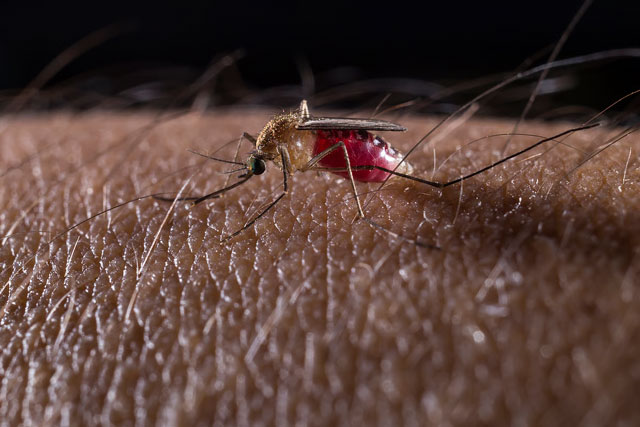
Scientists warn that disease-carrying Anopheles mosquitoes are increasingly developing resistance to commonly used insecticides, reducing the effectiveness of long-standing control measures. These mosquitoes transmit parasites from the Plasmodium group, making them a critical target in malaria prevention strategies.
Since World War II, insecticides such as pyrethroids have been widely used through treated bed nets and indoor spraying, significantly reducing malaria cases worldwide. However, recent findings show that in parts of Africa, mosquitoes can now survive insecticide doses up to 10 times stronger than previously lethal levels.
The issue is compounded by agricultural use of similar chemicals, which unintentionally exposes mosquito populations to insecticides, accelerating resistance.
New research focusing on Anopheles darlingi, a major malaria vector in South America, has revealed high genetic diversity in the species, enabling rapid adaptation. Scientists analysed over 1,000 mosquito genomes across regions from Brazil to Colombia, finding strong evidence of evolutionary changes linked to insecticide resistance.
Unlike earlier assumptions that resistance would occur through changes in nerve cell targets, researchers found mosquitoes are evolving by enhancing detoxification mechanisms. Specific genes producing enzymes known as P450 help break down toxic compounds, allowing mosquitoes to survive exposure to insecticides.
This adaptation has independently emerged multiple times across South America, particularly in regions with heavy agricultural activity, suggesting indirect exposure to pesticides may be driving resistance.
Experts caution that while new tools like vaccines and genetic interventions are being explored, mosquito control remains vital. Emerging strategies such as gene drives aim to reduce mosquito populations or their ability to transmit disease, but the insects’ rapid adaptability remains a major hurdle.
Scientists stress the need for smarter approaches, including rotating insecticides, reducing excessive use, and continuous genetic monitoring to detect resistance early.
The findings highlight a critical reality: while human innovation continues to advance, the evolutionary speed of mosquitoes poses a persistent and evolving threat to global public health.