Daijiworld Media Network - Ankara
Ankara, Apr 23: Turkish lawmakers have passed a bill seeking to restrict access to social media platforms for children under the age of 15, joining a growing global push to address online risks faced by minors.
According to state media, the legislation would require social media companies to introduce age-verification systems, provide parental control tools and respond swiftly to content considered harmful to children.
The bill now awaits approval from President Recep Tayyip Erdogan, who has 15 days to sign it into law.
The move comes a week after a 14-year-old boy allegedly killed nine students and a teacher in a gun attack at a middle school in Kahramanmaras in southern Turkiye. Authorities are investigating the perpetrator’s online activity as part of efforts to determine a motive.
Speaking after the incident, Erdogan stressed the need to reduce digital risks to children.
“We are living in a period where some digital sharing applications are corrupting our children’s minds, and social media platforms have, to put it bluntly, become cesspools,” he said in a televised address.
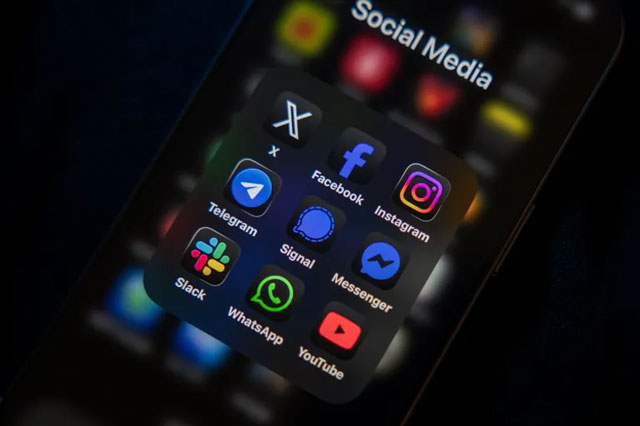
Under the proposed law, platforms such as YouTube, TikTok, Facebook and Instagram would be required to prevent children under 15 from opening accounts and introduce parental controls to regulate access.
Online gaming companies would also have to appoint representatives in Turkiye to ensure compliance with the regulations.
Potential penalties for violations include fines and internet bandwidth restrictions imposed by the country’s communications watchdog.
The main opposition Republican People’s Party (CHP) criticised the proposal, arguing children should be protected through rights-based policies rather than bans.
The legislation follows similar moves elsewhere, including Australia, which introduced landmark social media restrictions for children last year, while countries such as Indonesia, Spain, France and the United Kingdom are also pursuing or considering comparable measures.
The Turkish government has, however, faced criticism from opposition groups over restrictions on online platforms, particularly when digital networks have been used to express political dissent.