Daijiworld Media Network - Tehran
Tehran, Apr 16: Iran has reiterated that it will not compromise on its nuclear enrichment rights, asserting that its access to peaceful nuclear energy is firmly protected under international law, a Foreign Ministry spokesperson said on Thursday.
Foreign Ministry spokesperson Esmaeil Baqaei stated at a press briefing in Tehran that Iran’s nuclear enrichment activities are grounded in the provisions of the Nuclear Non-Proliferation Treaty (NPT) and cannot be treated as negotiable concessions.
According to him, Iran’s rights under the NPT are “non-negotiable” and cannot be revoked under external pressure or geopolitical disputes. He dismissed Western media reports suggesting uncertainty or debate over Iran’s enrichment programme, calling them baseless speculation.
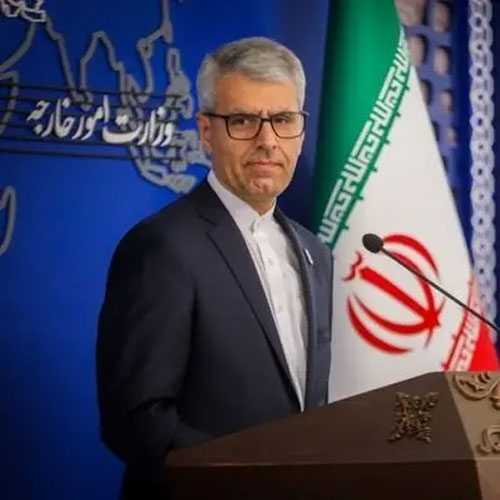
Baqaei further emphasized that as long as Iran remains a signatory to the NPT, it is entitled to fully exercise its rights under the treaty, including peaceful nuclear development.
Addressing recent reports about discussions during Iran–US talks held in Pakistan, he clarified that any agreement would first require a comprehensive framework before specific issues—particularly sensitive matters linked to conflict and security—can be addressed.
He also rejected claims that Iran had reduced its support for regional allies, stating that Iran continues to support what it describes as legitimate resistance in the region, particularly in Lebanon. He argued that any ceasefire understandings must be respected by all sides and alleged violations by opposing parties.
Baqaei added that if any party breaches an agreement, proportional responses are justified under international norms, and denied reports suggesting Iran had failed to meet its commitments.
Commenting on a European proposal for a United Nations-led security mission in the Strait of Hormuz, he asserted that Iran and regional states are fully capable of ensuring security in the strategic waterway without external intervention.
He described Iran as a long-standing stabilizing force in the region and accused external actors of contributing to instability, particularly in recent weeks. He also cautioned that foreign involvement could further escalate tensions.
Baqaei concluded that regional stability can be maintained through cooperation among littoral states, provided external military pressure and what he described as foreign interference are brought to an end.