Daijiworld Media Network - Africa
Africa, Apr 22: As Africa marks World Malaria Day on April 25, growing concern is emerging over stalled gains in public health, with experts calling for a major shift towards stronger, integrated health systems and locally driven research.
After two decades of notable progress, including rising life expectancy and a sharp drop in child mortality across parts of Sub-Saharan Africa, warning signs are now surfacing.
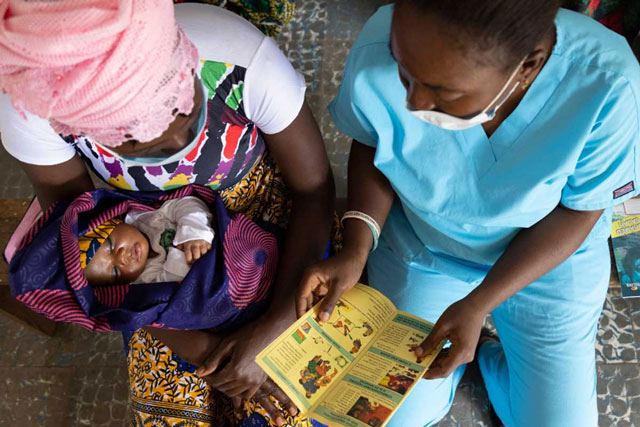
In 2024 alone, Africa accounted for over 270 million malaria cases — 96 per cent of the global burden — and nearly 595,000 deaths, representing 97 per cent of malaria deaths worldwide.
Health experts say the challenge goes beyond malaria alone, pointing to overlapping crises such as malnutrition and pneumonia, which often contribute together to child deaths, even as health systems remain largely organised around single-disease programmes.
They argue that while disease-specific interventions have saved millions of lives, the model has not consistently built resilient systems capable of addressing interconnected health threats.
Concerns have also been raised over research models driven largely by short-term, donor-funded priorities, often leaving health systems research and implementation science underfunded.
Experts say this has created a gap between evidence generation and practical policy action, with national research institutions often underutilised despite being best placed to provide local solutions.
Calls are growing for greater investment in locally led clinical and implementation research, with emphasis on understanding what interventions work best in African settings and how they can be delivered effectively at scale.
Kenya has been cited as an example of progress through integrated approaches, with institutions such as the Kenya Medical Research Institute and the KEMRI-Wellcome Research Programme linking research, community engagement and policy.
Initiatives such as the Child Health and Mortality Prevention Surveillance (CHAMPS) are already helping inform decisions on child mortality and antimicrobial resistance through real-time data.
Experts also pointed to the importance of stronger regulatory systems, including efforts through the African Medicines Agency, to ensure innovations move more quickly from research to approval and delivery.
On World Malaria Day, health advocates say the focus must move beyond celebrating past gains to confronting the structural gaps threatening future progress.
They stress that stronger institutions, integrated care systems and locally generated evidence will be crucial if Africa is to sustain and deepen its public health gains.