Daijiworld Media Network - Islamabad
Islamabad, Mar 24: Pakistan is attempting to position itself as a key mediator in the ongoing conflict in West Asia, seeking to broker peace between Iran and its adversaries, the United States and Israel, according to reports.
The move comes as Islamabad treads a delicate diplomatic path—condemning strikes on Iran while simultaneously calling for de-escalation. Reports suggest that Pakistan has offered to host talks between senior officials from the administration of Donald Trump and Tehran as early as this week.
Pakistan’s Army Chief Asim Munir is said to have spoken with Trump, while Prime Minister Shehbaz Sharif held discussions with Iranian President Masoud Pezeshkian, signalling intensified diplomatic outreach.
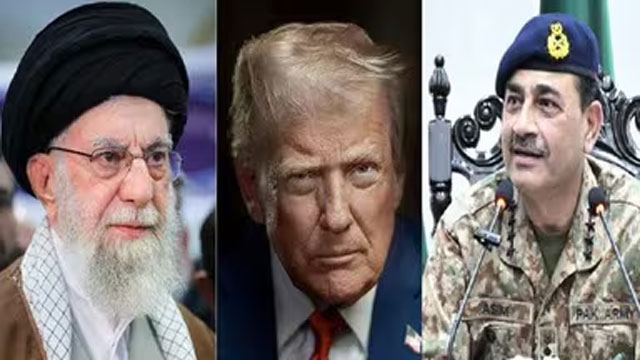
While Trump claimed he paused threats against Iran following “productive” conversations, Tehran has denied any direct negotiations, though it acknowledged receiving messages via friendly countries. Iran has maintained that its stance on key issues, including the Strait of Hormuz, remains unchanged.
Iranian Parliament Speaker Mohammad Bagher Ghalibaf dismissed reports of talks as “fake news,” alleging attempts to influence global oil and financial markets.
According to reports, Pakistani officials have been involved in back-channel communications involving US envoys, including Steve Witkoff and Jared Kushner. Foreign Minister Ishaq Dar is also said to have discussed mediation efforts with regional counterparts.
Other countries, including Egypt and Turkey, along with Gulf states, are reportedly facilitating indirect communication between the parties. Traditional mediators such as Oman and Qatar have also been involved in past efforts.
Despite these initiatives, analysts remain sceptical about the prospects of a breakthrough, noting that diplomatic engagement is still at an early stage. Experts warn that with the conflict entering its fourth week, neither side appears ready to compromise, reducing the likelihood of an immediate ceasefire.
The situation continues to raise global concerns over regional stability, energy security, and the risk of a prolonged conflict.