Daijiworld Media Network - Quepem
Quepem, May 18: A long-awaited 3.5 km road connecting the tribal hamlet of Vavurla to Kude in the forested hills of Quepem in Goa has finally been completed and opened to vehicular traffic, ending decades of isolation for the village’s 300-odd residents.
The hamlet, home to an entirely tribal community, had remained cut off from basic transport infrastructure for years, forcing residents to rely on makeshift stretchers and chairs to carry the sick, elderly, and pregnant women through dense forest terrain to reach the nearest motorable road.
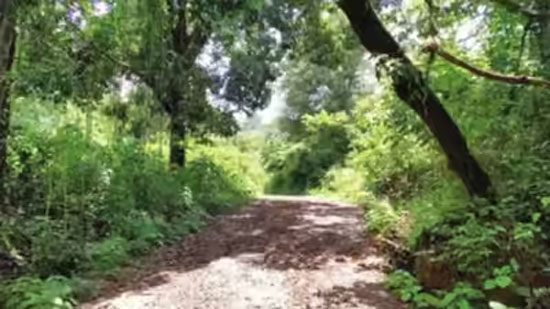
The human cost of this isolation was stark. In 2019, resident Govind Velip reportedly died after suffering a cardiac arrest, following a 3.5 km uphill evacuation on foot by villagers who carried him to the nearest road before transporting him further for medical care. Locals say delays in reaching treatment highlighted the urgent need for road access.
For years, students also trekked through forest paths to attend school, while medical emergencies were handled under extremely difficult conditions, with villagers often physically carrying patients over long distances.
The road project, sanctioned at over Rs 2 crore and launched in December 2023, faced multiple delays due to forest clearance issues, landslides, and administrative hurdles. At one point, officials cited the absence of clearance from the forest department as a key reason for the stalled progress.
The project was also highlighted in public grievances escalated to higher authorities, but remained unresolved for an extended period before construction was finally completed.
Local MLA Altone D’Costa called the road a long-overdue milestone, saying it would finally provide the village access to essential services such as healthcare, education, and emergency response.
Residents expressed relief after the road became operational, saying ambulances can now reach the village directly, eliminating the need for dangerous manual transport during medical emergencies.
The completion of the road is being seen as a major step toward integrating the remote settlement into mainstream connectivity and improving living conditions for its tribal population.