Daijiworld Media Network - New Delhi
New Delhi, Apr 19: Leading medical experts have raised alarm over the growing impact of excessive energy drink consumption on liver health among young people in India, marking the occasion of World Liver Day.
Doctors say an increasing number of young patients are showing early signs of liver damage, a trend they link to the rising popularity of energy drinks marketed as quick solutions for boosting stamina and reducing fatigue. These beverages often contain high levels of caffeine along with additives like taurine and herbal stimulants, all of which place additional strain on the liver during metabolism.
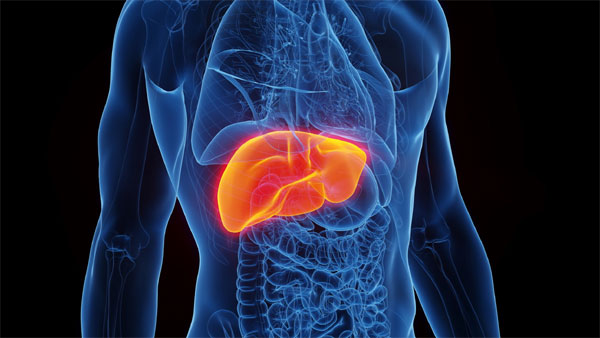
According to Dr. Abhideep Chaudhary, President of the Liver Transplantation Society of India, three major contributors to liver dysfunction today are energy drinks, alcohol, and sugary beverages. He emphasized that while alcohol remains a leading cause of liver disease, high-sugar drinks are significantly contributing to conditions like Non-alcoholic fatty liver disease.
Experts also warned against the increasingly common habit of mixing energy drinks with alcohol. The stimulant effect of caffeine can mask the depressant effects of alcohol, often leading to higher intake than intended and increasing the risk of liver injury.
Medical research, including findings published in BMJ Case Reports, has documented cases of acute hepatitis linked to excessive energy drink intake, particularly due to high levels of niacin (Vitamin B3), which can be toxic to the liver in large amounts.
Further studies indicate that the combination of sugar, caffeine, and chemical additives in these drinks can lead to fat buildup in liver cells, oxidative stress, and inflammation—factors that contribute to long-term liver damage. Alarmingly, nearly 25–30% of the urban population is estimated to be affected by fatty liver conditions, with a noticeable rise among adolescents and young adults.
Dr. Neerav Goyal, President-Elect of LTSI and a specialist at Indraprastha Apollo Hospital, noted a shift in patient demographics. He pointed out that individuals in their 20s and 30s are increasingly being diagnosed with liver conditions once more common in older adults, largely due to lifestyle habits and lack of awareness.
Health professionals stress the importance of moderation, informed choices, and early lifestyle changes to prevent long-term liver complications.