Daijiworld Media Network - London
London, Jun 2: A new experimental cancer drug developed by researchers in Oxford has shown encouraging results in an international clinical trial, offering fresh hope to patients battling some of the world's most common cancers.
The drug, known as GRWD5769, is designed to prevent cancer cells from concealing themselves from the body's immune system — a mechanism often described by scientists as an "invisibility cloak" that allows tumours to evade detection and continue growing.
According to early trial findings, the treatment helped shrink tumours by at least 30 per cent in patients suffering from six major cancer types, including cervical, bladder, liver, bowel, lung, and head-and-neck cancers.
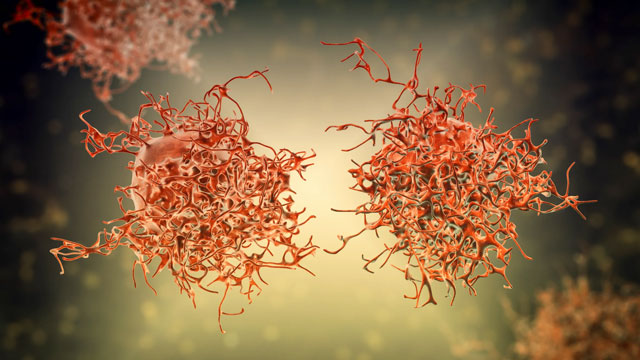
The trial, conducted across the United Kingdom, France, Spain and Australia, involved 83 patients. Researchers reported that tumours shrank in 26 participants, while 15 experienced reductions of 30 per cent or more. In some cases, tumour size decreased by as much as 95 per cent.
The drug works by blocking an enzyme called endoplasmic reticulum aminopeptidase 1 (ERAP1), which plays a role in how the immune system identifies cancer cells. Scientists say inhibiting ERAP1 alters the appearance of tumour cells, enabling the immune system to recognise and attack them more effectively.
The Good Clinical Practice Network, which manages a clinical trial registry, said the treatment helps reactivate immune responses that often become exhausted in cancer patients.
Oxford-based biotechnology company Greywolf Therapeutics, which developed the drug, described GRWD5769 as a first-in-class investigational therapy focused on improving antigen presentation to the immune system.
Researchers believe the treatment could be effective both as a standalone therapy and when combined with existing immunotherapy drugs such as Libtayo.
While the results remain preliminary and further studies are required to establish long-term safety and effectiveness, the findings have generated optimism among researchers seeking new ways to enhance the body's natural ability to fight cancer.
The trial is continuing as scientists evaluate the drug's potential across a wider range of patients and treatment combinations.