Daijiworld Media Network - Washington
Washington, Mar 25: The Pentagon is preparing to send thousands of troops from the Army’s 82nd Airborne Division to the Middle East, signaling a possible escalation in the ongoing Iran conflict, even as Washington continues to explore diplomatic avenues.
Multiple media reports indicate that around 3,000 paratroopers could be deployed, supplementing the thousands of Marines already en route to the region. Officials stressed that no decision has been made for U.S. forces to enter Iran itself, but the military buildup raises the possibility of deeper American involvement, according to Politico.
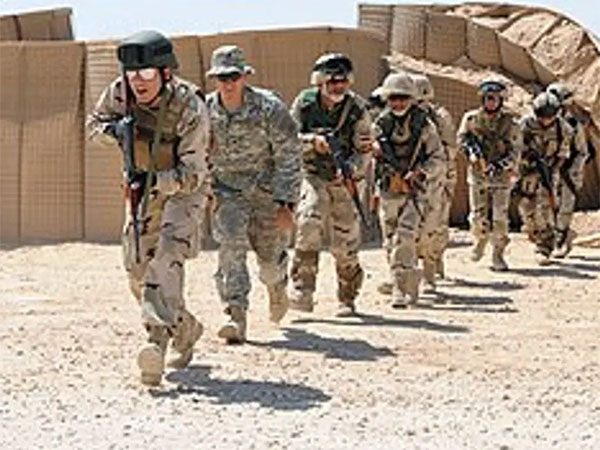
CBS News reported that initial deployments may include command elements and ground forces, with the first contingent potentially numbering fewer than 1,500 troops. The 82nd Airborne, a premier rapid-response unit, can mobilize globally within hours. Its Immediate Response Force is capable of deploying within 18 hours, offering the White House flexible options, noted The New York Times.
The troop movement comes as the conflict enters its fourth week. To date, the U.S. has primarily relied on airstrikes using fighter jets, bombers, and drones. U.S. Central Command reports that over 9,000 military targets in Iran have been struck since late February, including missile launchers, naval assets, and defense industrial facilities.
Fighting continues across the region. Iran has conducted drone and ballistic missile attacks on Israel and neighboring countries, even as Washington signals openness to negotiations. The Strait of Hormuz, through which roughly 20% of the world’s oil passes, remains a flashpoint, with Iranian actions disrupting shipping and driving up global energy prices.
The United States already maintains about 50,000 troops in the region. The latest deployments suggest military planners may be considering broader roles, including securing strategic shipping lanes and infrastructure. The New York Times reported that paratroopers could be positioned within striking distance of Iran, while Marines might secure key sites supporting oil transit routes.
President Donald Trump has said negotiations with Iran are ongoing, suggesting that Tehran “would like to make a deal,” according to CBS News. Iran has denied such talks, calling reports of negotiations “fake news.”
The current conflict began on February 28 with U.S. and Israeli strikes on Iranian military targets and has since expanded into a regional confrontation involving missile exchanges, drone attacks, and threats to global energy supplies. Any prolonged disruption of the Strait of Hormuz could have serious consequences for oil markets worldwide, including for countries like India, which depend heavily on energy imports from the region.