Daijiworld Media Network - Washington
Washington, Mar 12: Donald Trump said the United States could benefit economically from rising global oil prices but stressed that preventing Iran from acquiring nuclear weapons remains his top priority.
In a post on the social media platform Truth Social, Trump said the US, being the world’s largest oil producer, stands to gain financially when oil prices rise.
“The United States is the largest oil producer in the world, by far, so when oil prices go up, we make a lot of money. But of far greater importance to me, as President, is stopping an evil empire, Iran, from having nuclear weapons and destroying the Middle East and indeed the world,” he wrote.
His remarks come as the conflict between the US and Iran entered its 13th day. A day earlier, Trump said the war could end “soon”, claiming American forces had inflicted massive damage on Tehran’s military capabilities.
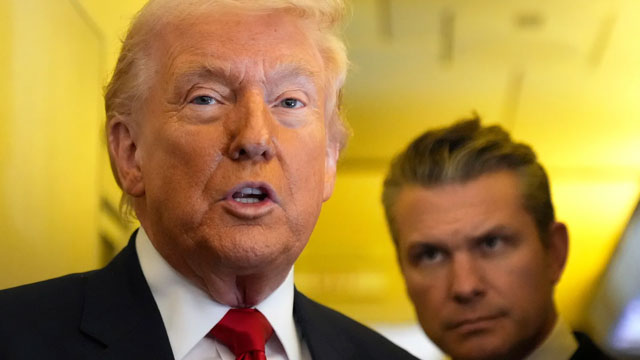
Speaking to Axios, he said there was “practically nothing left to target” in Iran. “Little this and that… Any time I want it to end, it will end,” Trump said, adding that the conflict was progressing faster than expected.
Meanwhile, the financial cost of the military campaign has mounted significantly. According to a report by The New York Times, the Pentagon informed Congress that the US has spent at least $11.3 billion during the first week of military operations against Iran.
The estimate reportedly covers only the initial phase of the campaign and does not include several major expenses, such as the deployment of additional troops, aircraft and naval forces to the region before the strikes began.
The ongoing conflict has also triggered volatility in global energy markets. Oil prices surged on Thursday, briefly crossing the $100 per barrel mark amid disruptions linked to the closure of the Strait of Hormuz.
The International Energy Agency warned that the Middle East conflict is creating the largest supply disruption in the history of the global oil market.
IEA member nations recently agreed to release 400 million barrels of oil from their strategic reserves — the largest coordinated drawdown ever — in an attempt to stabilise global supplies.
However, concerns persist as the Strait of Hormuz, a key maritime route through which nearly one-fifth of the world’s crude oil shipments normally pass, has effectively been shut following retaliatory attacks by Iran on vessels and neighbouring Gulf states.