Daijiworld Media Network - AL-EIZARIYA
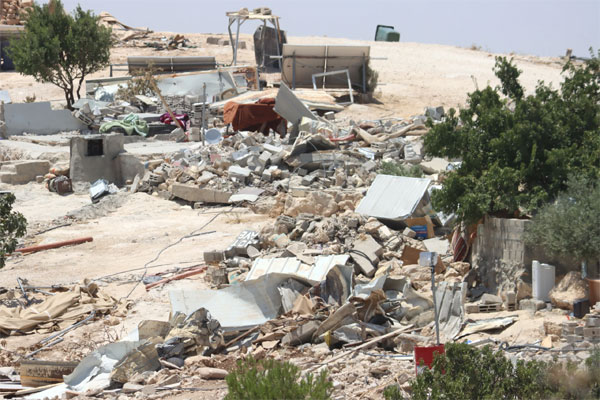
AL-EIZARIYA, May 13: Israeli bulldozers demolished dozens of Palestinian-owned commercial structures in the town of al-Eizariya this week as part of a road development project linked to the highly disputed E1 corridor in the occupied West Bank.
The demolitions targeted shops and small businesses located along a key roadside area southeast of Jerusalem, including vegetable stalls, scrap yards, and car wash facilities. Israeli authorities stated that the structures had been built without permits and obstructed the construction of a new transportation route intended to improve access for Palestinian communities.
However, Palestinian officials and anti-settlement groups argue that the project is tied to a wider Israeli strategy aimed at separating Palestinian and Israeli traffic networks while expanding settlement infrastructure across the region.
According to Israeli authorities, the new road system is designed to reduce congestion and improve mobility for Palestinian towns in the area. The Israeli military’s civil administration body, COGAT, said affected property owners had been warned for years about possible enforcement action and that the demolitions were necessary to facilitate the planned route.
Critics, however, claim the road would effectively divert Palestinian vehicles away from a new highway connecting Israeli settlements to Jerusalem, further restricting Palestinian movement in large sections of the West Bank.
Peace Now said the demolitions are directly connected to plans surrounding the E1 development zone, a strategically sensitive area stretching between Jerusalem and the settlement of Maale Adumim. Rights groups and Palestinian officials have long argued that development in the E1 corridor could fragment the territorial continuity needed for a future Palestinian state.
The demolitions proceeded despite legal appeals filed by affected residents and shop owners, including petitions submitted to Israel’s Supreme Court.
For many local families, the destruction represented the loss of decades of work and livelihood. Business owners said they were left devastated after seeing shops built over years reduced to rubble within hours. Community leaders estimated that more than 200 families could be economically affected by the operation.
Palestinians also argue that obtaining construction permits from Israeli authorities in the occupied territory is extremely difficult, forcing many residents to build without formal approval while nearby Israeli settlements continue to expand.
The E1 project remains one of the most contentious settlement-linked developments in the region because of its geographic significance. Analysts and diplomats have repeatedly warned that large-scale Israeli construction there could isolate Palestinian urban centres such as Ramallah and Bethlehem and further complicate efforts toward a two-state solution.
Israel captured the West Bank during the 1967 Middle East war, and most of the international community considers Israeli settlements in the occupied territory to be illegal under international law, a position Israel disputes.