Daijiworld Media Network - Washington
Washington, Apr 24: Efforts by US President Donald Trump to bring a swift end to the conflict with Iran appear to be facing resistance, with Tehran showing little urgency to negotiate despite sustained military and economic pressure.
According to Western officials and intelligence assessments, Iran’s leadership has, in fact, emerged more politically stable and hardened in its stance following US and Israeli strikes. The attacks, which included targeted killings of leaders and damage to military infrastructure, have not weakened the regime as anticipated.
Officials indicated that anti-government protests seen before the conflict have subsided, while moderate factions within Iran have been sidelined. The escalation has strengthened hardline elements, undermining arguments for engagement with Washington.
“The Iranians don’t seem to be in a rush to negotiate,” a Western official familiar with intelligence assessments said.
President Trump, however, denied facing any pressure to end the war quickly. In a social media post, he said he had “all the time in the world,” while warning that “the clock is ticking” for Iran. He also told reporters he preferred to take time to secure a favourable deal rather than rush negotiations.
Back home, the political and economic costs of the conflict are mounting. With midterm elections approaching and fuel prices rising, public opinion has turned increasingly critical. Recent polling suggests that a majority of American voters disapprove of Trump’s handling of the situation.
Analysts say Iran is betting that the US lacks the appetite for a prolonged conflict and will eventually seek an exit as economic and political pressures intensify.
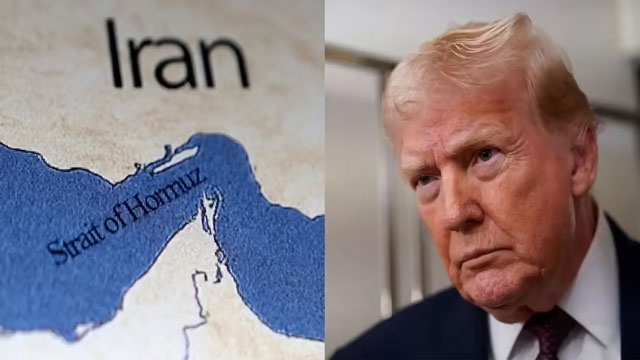
A key flashpoint remains the Strait of Hormuz, a vital global chokepoint through which about 20 percent of the world’s oil and gas supplies pass. The ongoing standoff has already disrupted shipments and triggered wider economic concerns.
The US has imposed a naval blockade aimed at cutting off Iran’s oil exports, hoping to force concessions. While American forces have intercepted vessels linked to Iran, Tehran continues to exert influence over the strait and has carried out attacks on ships, escalating tensions further.
Experts believe Iran is relying on its experience in managing economic sanctions, along with alternative revenue sources such as stored oil reserves and pipeline exports, to withstand pressure.
Iranian leaders have signalled defiance, with senior officials stating that reopening the Strait of Hormuz would not be possible under current conditions, particularly amid ongoing military actions and restrictions.
With both sides holding firm, the conflict appears set to continue, raising concerns over prolonged instability and its global economic impact.