Media Release
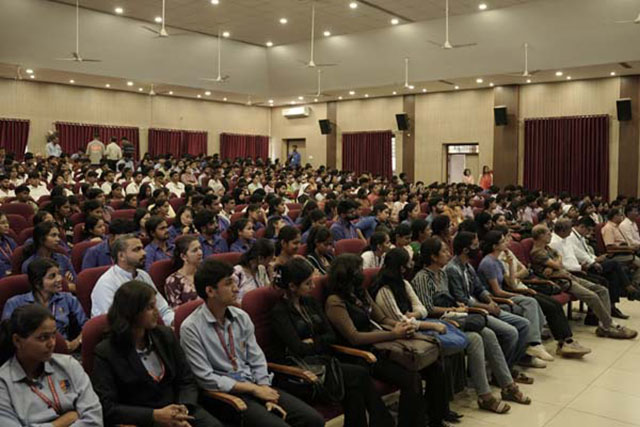
Mangaluru, Mar 18: The School of Arts & Humanities, School of Engineering, and School of Business Management of St Aloysius (Deemed to be University), in collaboration with Mar Baselios Christian College of Engineering and Technology, Kuttikkanam, successfully inaugurated the two-day Interdisciplinary International Conference (IDIC 2026), titled ‘Circular Economy: Multi-Regional Perspectives to Innovation, Policy & Practice', at the LCRI Auditorium on March 17.
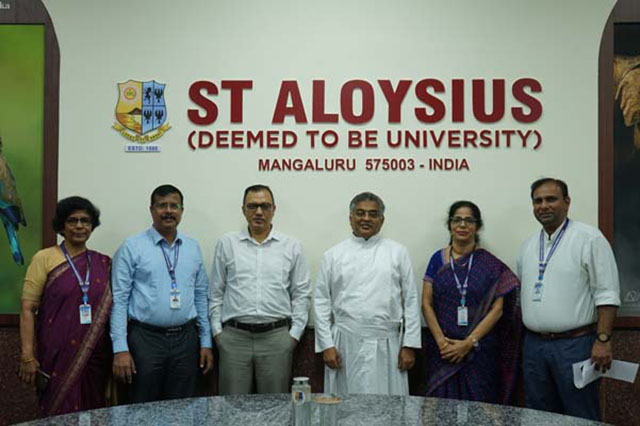
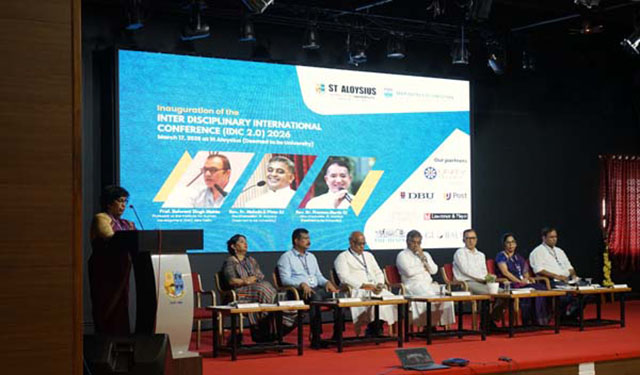
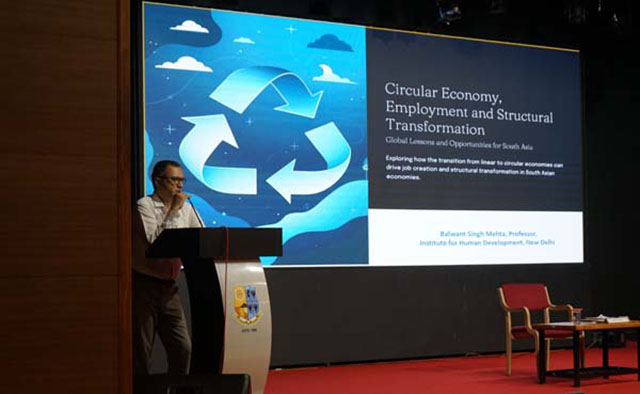
The inaugural ceremony commenced was presided over by Fr Melwyn Joseph Pinto, SJ, rector and the pro-chancellor of the University. The chief guest, Prof Dr Balwant Singh Mehta from the Institute for Human Development (IHD), New Delhi, formally inaugurated the conference along with other dignitaries.
As part of the symbolic inauguration, placards representing the 7 R’s of sustainability were hung on a tree, emphasizing environmental consciousness and responsible living. The 7 R’s include Rethink, Refuse, Reduce, Reuse, Repair, Recycle, and Recover.
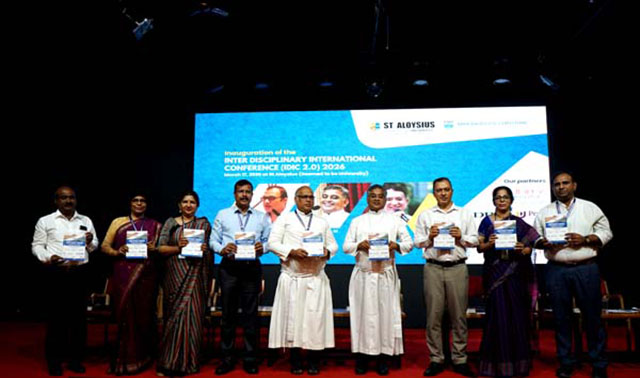
The event also marked the release of the conference Abstract Book. A total of 84 research papers from India and abroad will be presented during the technical sessions of the conference, reflecting the diverse and global participation in IDIC 2026.
Delivering the keynote address, Prof Balwant Singh Mehta emphasized the importance of interdisciplinary collaboration in addressing global environmental challenges. He noted that a circular economy is no longer optional but essential for guiding sustainable policy and innovation. Highlighting concerns around employment, he pointed out that although participation in higher education has increased, only about 17–18% of youth are employed. He further observed that circular economy jobs are largely concentrated in sectors such as repair and maintenance, recycling and waste management, and second-hand trade.
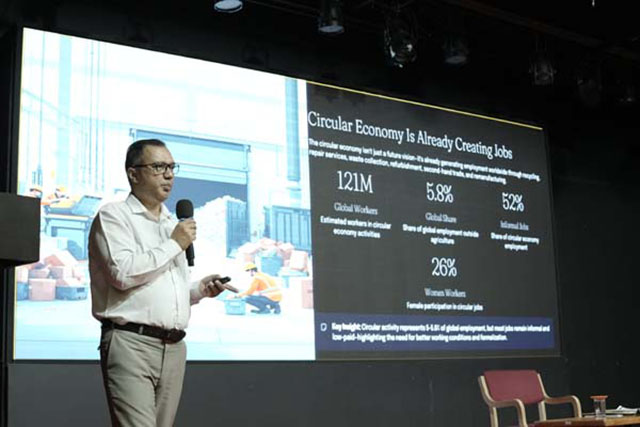
He explained that the circular economy contributes to structural transformation by enabling workers to move from low-productivity sectors to higher-productivity sectors over time. Historically, this transition has occurred from agriculture to manufacturing and later to modern services. He stressed that the circular economy is already generating employment through recycling, repair services, waste collection, refurbishment, second-hand trade, and manufacturing. Globally, an estimated 121 million workers are engaged in circular economy activities, accounting for 5.8% of employment outside agriculture, with nearly 52% of these jobs being informal. Women’s participation in the sector stands at approximately 26%.
In the second keynote address, Dr Thomas Han from the Stockholm Resilience Centre, Stockholm University, spoke on ‘Resource Efficiency and Sufficiency for India to Meet the Paris Agreement,’ highlighting the need to balance economic growth with sustainability. He noted that while countries across the world are striving to achieve the goals of the Paris Agreement, green growth must be pursued through efficient resource use and sustainable practices.
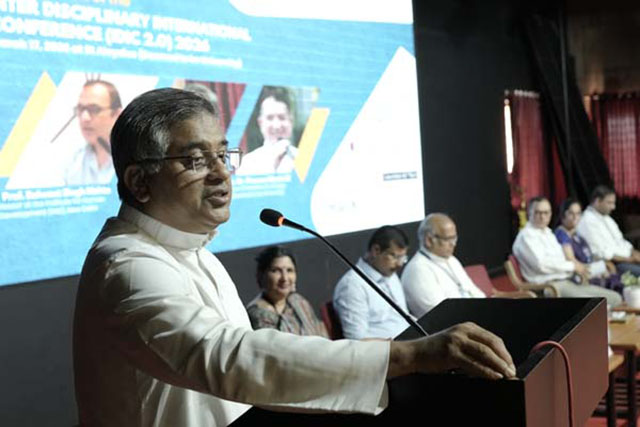
Presiding over the function, Fr Melwyn J Pinto highlighted the importance of responsible consumption and sustainability. He stressed the need to move from a ‘use-and-dispose’ culture to one that prioritizes reuse and recycling, encouraging individuals to adopt conscious daily practices for a sustainable future.
Dr Melwyn D’Cunha, pro vice chancellor, reflected on the current global crisis marked by war and rising living costs, which have significantly impacted everyday life. He emphasized the need for a circular approach to rethink, rearticulate, and reimagine responses to contemporary challenges.
Dr Ronald Nazareth, registrar; Dr Jolly Jose, professor and chair – Strategic Engagements Research and Innovation and director IDIC 2026, who outlined the theme of the conference; Dr Rajani Suresh, dean, School of Management, who introduced the chief guest; Dr Rose Veera D’Souza, dean, School of Arts and Humanities, who delivered the welcome address; and Dr Ruban S, dean, School of Engineering, who proposed the vote of thanks, were present on the dais. The programme was compered by Dr Glenson Toney, assistant dean, School of Engineering.
The conference will continue on March 18, at Mar Baselios Christian College of Engineering and Technology, Peermade, featuring technical sessions, panel discussions, and research presentations aimed at fostering interdisciplinary dialogue and promoting sustainable and circular economic practices.