Daijiworld Media Network - Gaza
Gaza, Feb 19: The Committee to Protect Journalists (CPJ) has alleged widespread abuse of Palestinian journalists held in Israeli custody, citing testimonies that detail routine beatings, starvation, sexual assault and psychological torture.
In a report released on February 19, the New York-based media rights organisation said it interviewed 59 Palestinian journalists detained by Israel following the Hamas-led attacks of October 2023. All but one reported experiencing “torture, abuse or other forms of violence” during their imprisonment.
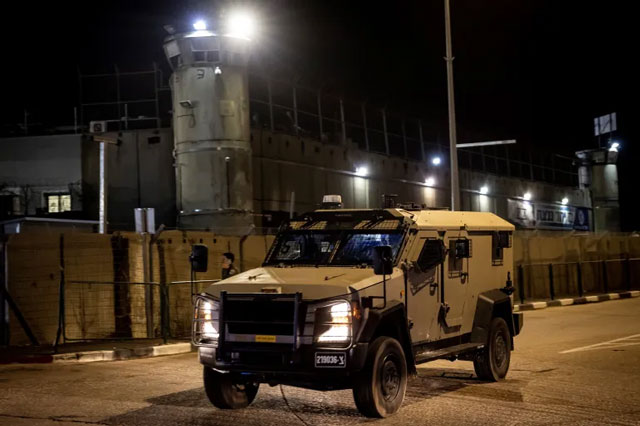
According to the report, the alleged mistreatment ranged from baton beatings and electroshocks to being forced into painful stress positions, including under sewage water. Two journalists said they were raped while in custody.
One journalist, Sami al-Sai, alleged that he was stripped and assaulted with a baton and other objects in a cell at Megiddo prison, leaving him in what he described as a “severe psychological state”.
“Descriptions of sexual violence appeared repeatedly in the testimonies, with journalists describing assaults as intended to humiliate, terrorise and permanently scar them,” the CPJ report stated.
Several detainees also described psychological abuse, including threats against family members, prolonged sleep deprivation through loud music, and denial of medical treatment for serious injuries such as bone fractures and eye trauma.
Journalist Amin Baraka said he was repeatedly threatened over his work with Al Jazeera.
“An Israeli soldier told me, word for word in Arabic, ‘Al Jazeera correspondent Wael al-Dahdouh defied us and remained in the Gaza Strip, so we killed his family. We will kill your family, too,’” Baraka was quoted as saying in the report. He added that he continues to suffer from stomach injuries allegedly caused by beatings and requires surgery.
CPJ Regional Director Sara Qudah said the testimonies reveal a “clear pattern” of abuse. “These are not isolated incidents. They expose a deliberate strategy to intimidate and silence journalists, and destroy their ability to bear witness,” she said.
The watchdog further stated that many of the journalists were denied basic legal protections. Around 80 percent of those interviewed were reportedly held under Israel’s system of administrative detention, meaning they were imprisoned without formal charges. One in four said they were never allowed to speak to a lawyer.
The vast majority also reported experiencing “extreme hunger or malnutrition”. CPJ said photos reviewed by the organisation showed detainees with “gaunt faces, protruding ribs and hollowed cheeks”. Some said they survived on “moldy bread and rotten food”.
According to the report, detainees lost an average of 23.5 kilograms while in custody.
“We returned from hell,” journalist Imad Ifranji was quoted as saying.
CPJ Chief Executive Officer Jodie Ginsberg urged the international community to take action, stating that humanitarian law sets clear standards for the treatment of detainees and that “there needs to be meaningful accountability” for violations.
Israeli authorities have faced longstanding allegations of abuse against Palestinian prisoners, including claims of torture and sexual violence at facilities such as the Sde Teiman detention centre. Last year, leaked footage allegedly showed prison guards assaulting a Palestinian inmate at the facility, triggering controversy within Israel.
Israel’s National Security Minister Itamar Ben-Gvir has previously drawn criticism for remarks about prison conditions for Palestinian detainees.
The targeting of journalists during the ongoing war in Gaza has also come under scrutiny. According to monitoring site Shireen.ps — named after slain Shireen Abu Akleh — nearly 300 journalists and media workers have been killed in Gaza since the war began. In August 2025, five journalists, including an Al Jazeera photographer and contributors to Reuters and The Associated Press, were reported killed in a strike on a hospital in southern Gaza.
Israeli authorities have previously denied systematic abuse of detainees, stating that prison conditions comply with domestic and international law.