Daijiworld Media Network - Jerusalem
Jerusalem, Jan 16: Israel is witnessing a sharp rise in post-traumatic stress disorder (PTSD) cases and suicide attempts among its military personnel following nearly two years of intense combat operations in Gaza, triggered by the October 7, 2023 Hamas attack on southern Israel, according to recent official reports.
Data released by Israel’s Defence Ministry and healthcare providers point to a deepening mental health crisis within the armed forces, even as fighting continues in Gaza and Lebanon and regional tensions escalate with Iran.
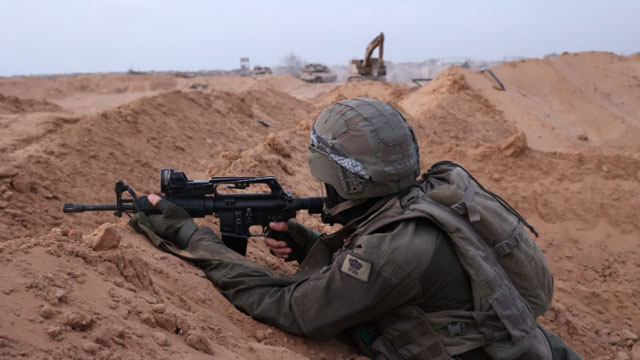
Israel says over 1,100 service members have been killed since October 7. Studies indicate that prolonged deployments, heavy combat and exposure to violence have severely impacted the psychological well-being of soldiers tasked with eliminating Hamas, rescuing hostages in Gaza and countering Hezbollah along the Lebanese border.
The Defence Ministry has recorded nearly a 40 per cent increase in PTSD cases among soldiers since September 2023 and estimates the number could rise by 180 per cent by 2028. Of the 22,300 troops currently undergoing treatment for war-related injuries, around 60 per cent are suffering from PTSD, officials said.
In response, authorities have expanded mental healthcare services, increased budgets and reported a 50 per cent rise in the use of alternative therapies. Maccabi, Israel’s second-largest healthcare provider, said in its 2025 annual report that 39 per cent of military personnel under its care sought mental health support, while 26 per cent reported symptoms of depression.
Several non-governmental organisations have also stepped in. Groups such as HaGal Sheli, which uses surfing as a therapeutic tool, have treated hundreds of soldiers and reservists coping with trauma, while some former soldiers rely on therapy dogs to manage stress.
Clinical psychologist Ronen Sidi, who leads combat veteran research at Emek Medical Center, said soldiers are dealing with trauma stemming both from fear of death during deployments and from “moral injury” caused by split-second combat decisions that sometimes result in civilian casualties.
“Living with the feeling that you may have harmed innocent people is extremely difficult, and there is no way to undo it,” Sidi said.
A reservist identified as Paul, a 28-year-old father of three, said he quit his job after returning from deployments in Gaza, Lebanon and Syria, unable to escape the constant sense of danger. “The sound of bullets stays with you. I live on alert every day,” he said.
An Israeli parliamentary committee reported that 279 soldiers attempted suicide between January 2024 and July 2025, a significant increase from previous years. Combat soldiers accounted for 78 per cent of all suicide cases in 2024.
Experts warn that delays in obtaining official recognition and support for mental health conditions can discourage soldiers from seeking timely help. While the Defence Ministry says it has strengthened immediate assistance during evaluations, mental health institutions remain overwhelmed.
With Israeli forces still deployed across Gaza, southern Lebanon and parts of southern Syria, and the possibility of renewed confrontation with Iran, mental health professionals caution that the psychological toll on soldiers could worsen unless long-term support systems are strengthened.