Daijiworld Media Network – Mumbai
Mumbai, Dec 25: The Congress’ decision to contest the Brihanmumbai Municipal Corporation (BMC) elections independently has fragmented the Opposition space in Mumbai, turning the January 15 civic polls into a multi-cornered contest.
The party has opted out of the Maha Vikas Aghadi (MVA) arrangement, citing the alignment between the Uddhav Thackeray-led Shiv Sena (UBT) and Raj Thackeray’s Maharashtra Navnirman Sena (MNS). Congress leaders said ideological differences, particularly the MNS’ stand on linguistic identity and migrant issues, made an alliance untenable.
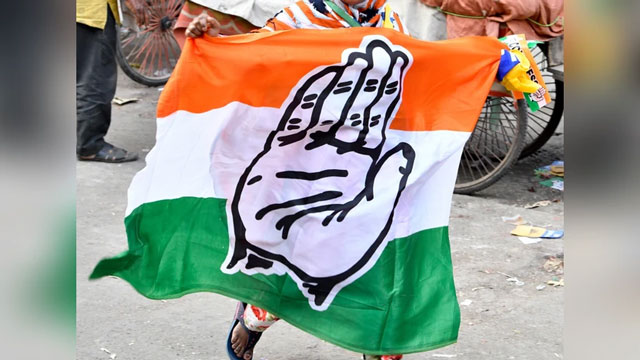
“We cannot be part of an alliance that promotes divisive politics,” Maharashtra Congress in-charge Ramesh Chennithala said, reiterating the party’s commitment to secular and inclusive politics.
Political observers said the Congress’ decision reflects a strategic recalibration aimed at reclaiming ideological clarity and focusing on local civic issues, though it carries significant risks in a political landscape dominated by strong alliances. Historically a major force in Mumbai’s civic politics, the Congress has seen a steady decline over the past three decades. In the 2017 BMC elections, the undivided Shiv Sena won 84 seats and the BJP 82, while the Congress was reduced to 31 seats.
The Congress plans to centre its campaign on local issues such as infrastructure gaps, flooding, air pollution and alleged corruption in the functioning of the BMC. Party leaders said the strategy is aimed at consolidating minority, Dalit and migrant voters, sections they believe may be uncomfortable with the MNS’ presence in the Opposition camp.
The MVA comprises the Congress, Shiv Sena (UBT) and NCP (SP), while the ruling Mahayuti alliance includes the BJP, Shiv Sena led by Deputy Chief Minister Eknath Shinde, and the NCP headed by Deputy CM Ajit Pawar.
Analysts noted that while going solo allows the Congress to directly target the BJP-led Mahayuti on governance issues, a divided Opposition could ultimately benefit the ruling alliance. The party also faces organisational challenges in Mumbai, with a weakened grassroots presence raising questions about its ability to field strong candidates across all 227 wards.
Talks with the Prakash Ambedkar-led Vanchit Bahujan Aghadi (VBA) are ongoing, though differences over seat-sharing have so far prevented a formal understanding.
Congress leaders insist the move is existential rather than tactical, especially after the formal announcement of rapprochement between Uddhav Thackeray and Raj Thackeray. The party argues it cannot compromise its long-held secular positioning in Mumbai’s diverse electorate.
Elections to 29 civic corporations, including those in the Mumbai Metropolitan Region, will be held on January 15, with counting scheduled for the following day. Political observers said the outcome of the BMC polls could have long-term implications for the Congress’ future in Maharashtra’s urban political landscape.