Media Release
Mangaluru, Jun 17: St Aloysius PU College lays great emphasis on a strong parent-teacher collaboration, recognizing that this partnership lays the very foundation for a conducive environment for student well-being. In line with this vision, the department of counselling, organized a series of parenting sessions for the parents of I PU students on the theme ‘Raising Digitally Responsible Teenagers’.
These sessions aimed to equip parents with the knowledge, awareness, and practical strategies required to guide adolescents through the opportunities and challenges of the digital age while fostering healthy emotional development and responsible decision-making.
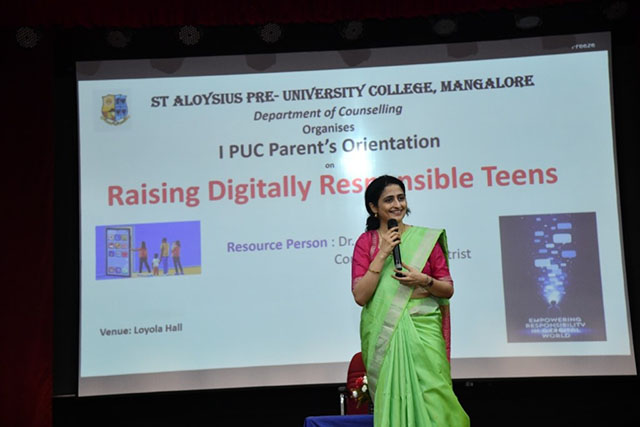
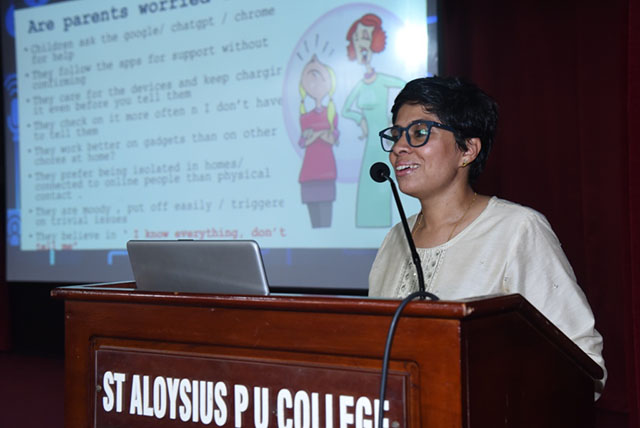
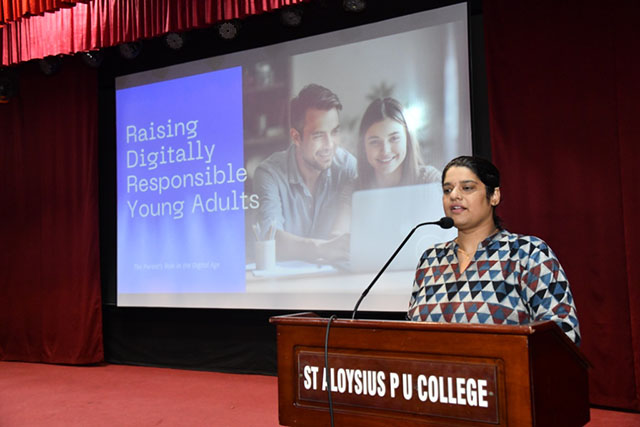
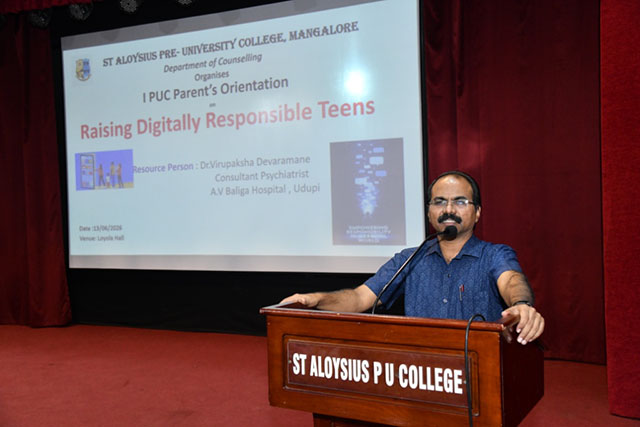
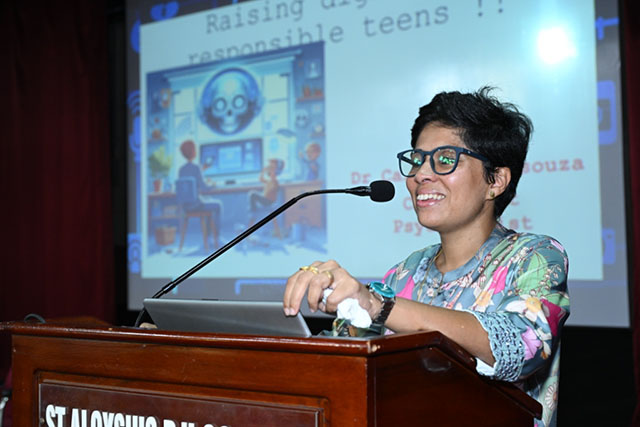
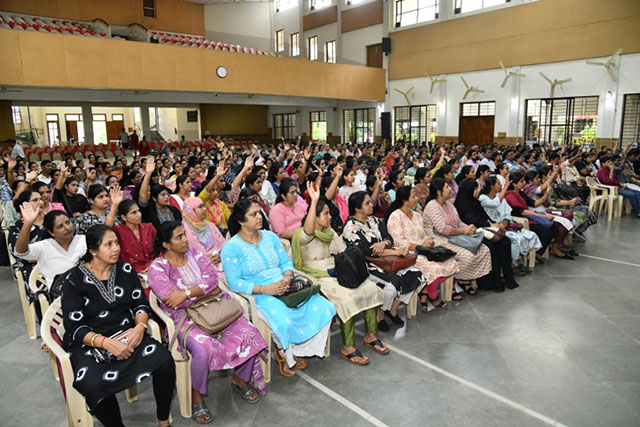
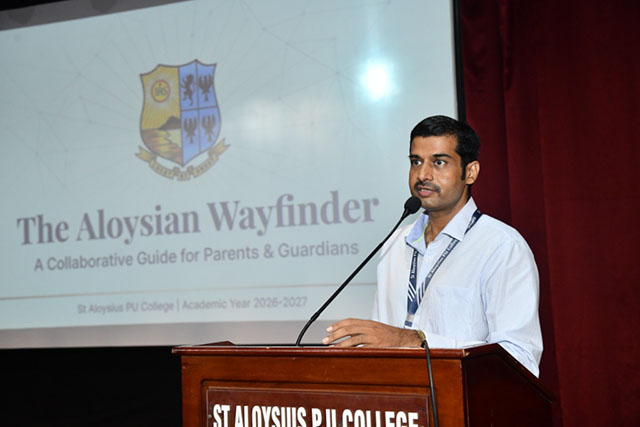
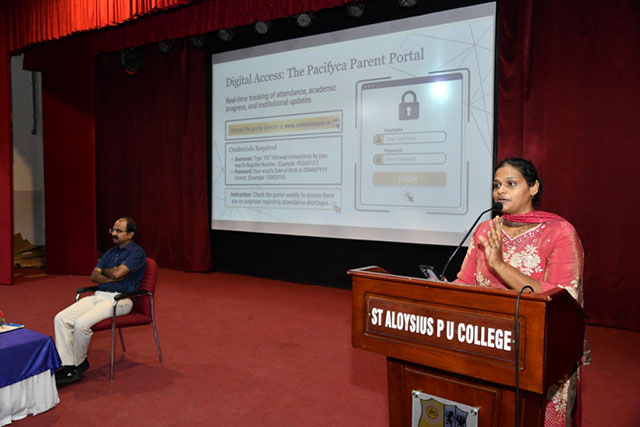
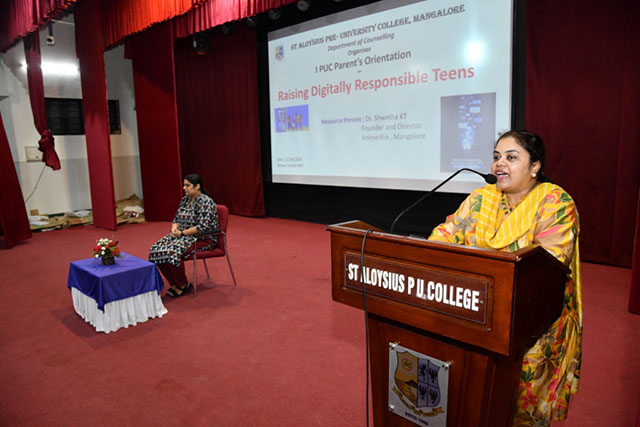
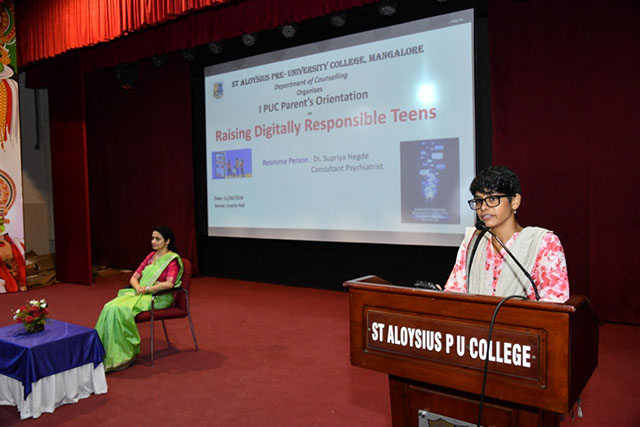
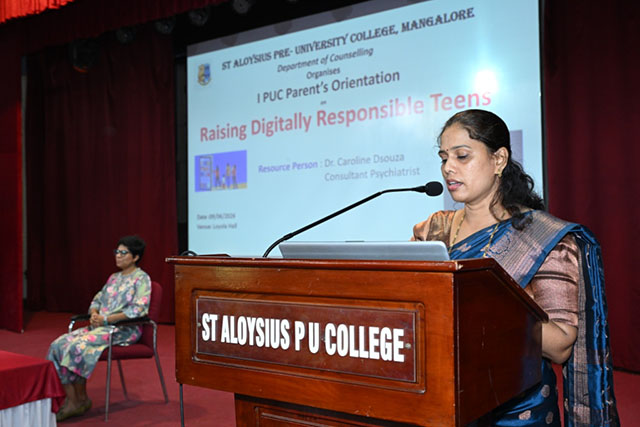
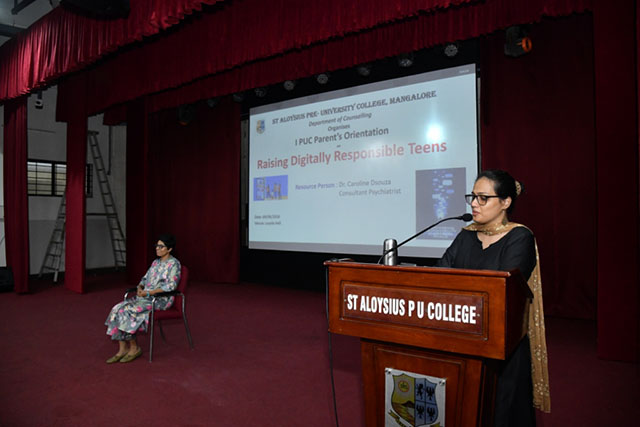
The programme featured eminent resource persons including Dr Caroline P D’Souza, consultant neuro-psychiatrist; Dr Supriya Hegde Aroor, professor and head, department of psychiatry, Fr Muller Medical College and Consultant Psychiatrist; Dr K T Shwetha, mental health professional, founder and director of Anirvedha – Resource Center for Psychological Well-being; and Dr Virupaksha Devaramane, consultant psychiatrist practising at Dr A V Baliga Memorial Hospital, Udupi, and author of motivational, parenting, and relationship books in Kannada.
Dr Caroline P D’Souza highlighted the mental health risks of early and prolonged digital exposure, explaining how excessive screen time and unhealthy social media habits impair an adolescent’s emotional well-being, concentration, and relationships. She urged parents to become their child’s primary source of safety and support by maintaining open communication and fostering a non-judgmental home environment. Additionally, she cautioned against teenagers using e-banking and e-commerce platforms due to their vulnerability to online risks and limited financial literacy. To counter digital dependency, Dr D’Souza advised families to establish healthy offline routines, such as regular exercise and shared activities. These positive lifestyle practices serve to naturally build discipline while strengthening emotional bonds within the family.
Dr Supriya Hegde Aroor addressed parents on the growing impact of digital addiction among adolescents, sharing statistics that highlight the rising prevalence of excessive screen usage. Emphasizing that prevention is better than cure, she urged parents to adopt proactive measures against a range of modern challenges, including gaming addiction, pornography exposure, and substance abuse. She highlighted the importance of responsible gadget ownership, advising parents to establish clear usage boundaries and age-appropriate privacy settings before purchasing devices for teenagers. Dr Aroor also stressed the need for good digital hygiene, recommending methods like limit-setting, digital detoxification, and modelling responsible technology use at home. She concluded by reminding parents that seeking professional help is a crucial step when addressing deep-seated concerns related to digital addiction and adolescent well-being.
Dr K T Shwetha focused on the importance of informed parenting, encouraging parents to make conscious choices while raising teenagers in a digitally connected world. A central message of her session was the principle of ‘Connect before you correct,’ which emphasizes building strong emotional bonds before offering discipline. She also highlighted the need for parents to stay updated on social media trends and recognize the warning signs of digital addiction. Furthermore, Dr Shwetha explained that the adolescent brain is undergoing significant development characterized by heightened emotional intensity, risk-taking, and peer sensitivity. Understanding these neurological differences ultimately enables parents to respond to their children with greater empathy, patience, and effectiveness.
Dr Virupaksha Devaramane spoke about the evolving role of parents across different stages of a child's development, noting that raising adolescents requires a careful balance of guidance, understanding, and trust. He encouraged parents to nurture secure relationships through open communication, emotional availability, and consistent support. While emphasizing the importance of staying aware of an adolescent's daily routines and friendships, he stressed that parents must respect their child's individuality and personal boundaries. Effective parenting, he explained, is not about monitoring every aspect of a teenager's life but about creating a safe environment where they feel comfortable seeking guidance. Ultimately, Dr Devaramane urged parents to help their children develop independent decision-making skills, thereby fostering a lasting sense of accountability and self-awareness.
Muralikrishna G M, vice principal (Science), addressed parents on their vital role in supporting students throughout their two-year journey at St Aloysius Pre-University College. He emphasized that active parental involvement and close collaboration with the institution are essential to nurturing responsible, confident, and well-rounded individuals.
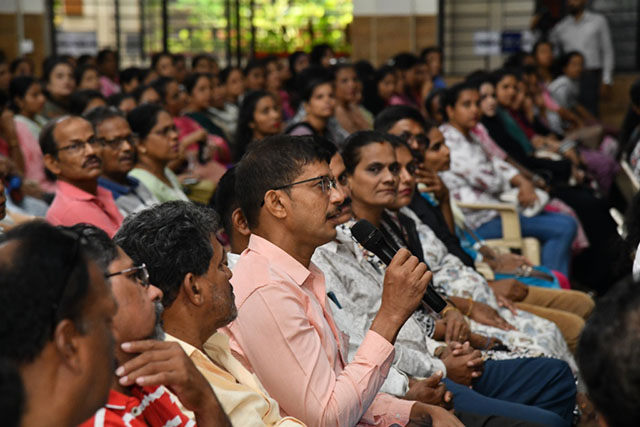
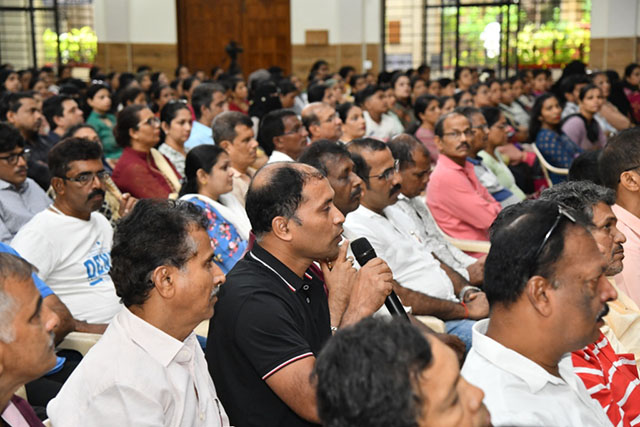
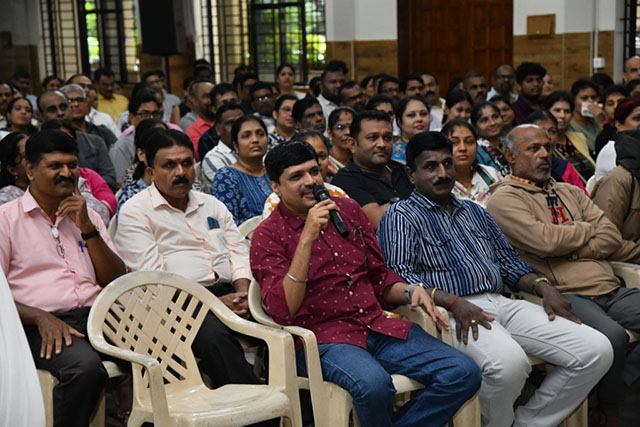
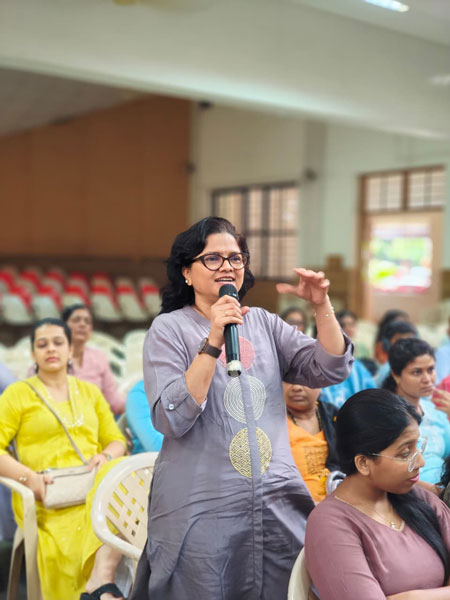
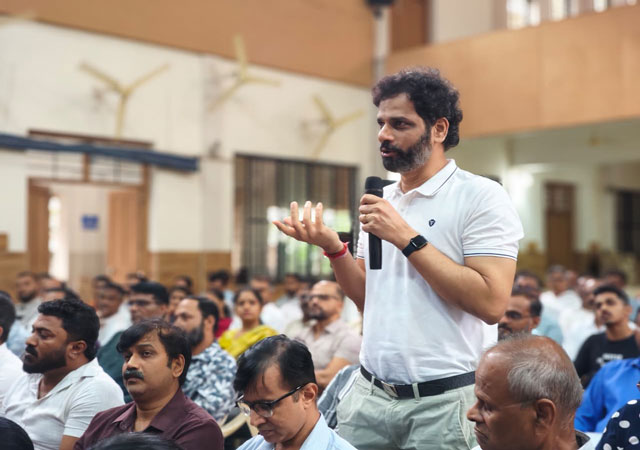
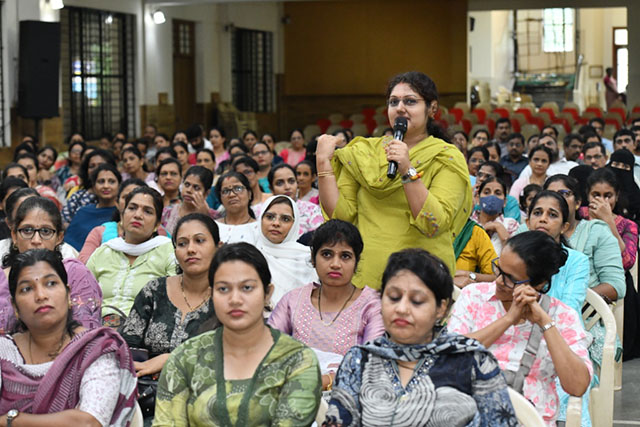
The highly interactive sessions allowed parents to actively participate by sharing their personal experiences, concerns, and parenting challenges in the digital era. Through valuable insights into adolescent development and digital well-being, parents gained practical strategies to foster responsible online behaviour, emotional resilience, and informed decision-making in their children. Ultimately, the programme successfully reinforced the vital importance of informed, connected, and proactive parenting in nurturing well-rounded and digitally responsible adolescents.