Daijiworld Media Network – Panaji
Panaji, May 21: A recent field study combining Portuguese-era maps with modern GIS mapping techniques has identified Avachitgad in Sattari as Goa’s second-highest peak, standing at 891 metres above mean sea level.
Researcher Subodh Naik, who conducted the study, said the findings were based on an analysis of historical maps, modern surveying equipment and field visits to major hill ranges across Goa.
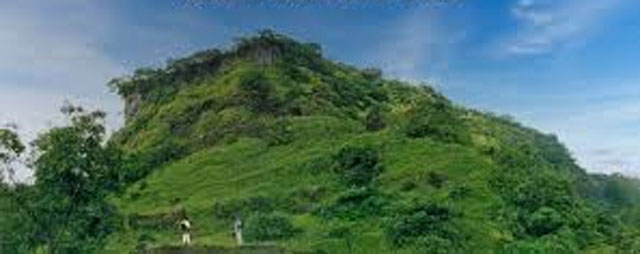
Avachitgad is located within the dense forests of Caranzol village in Sattari taluk, inside the Mhadei Wildlife Sanctuary in the Western Ghats region.
Until now, Catlachimauli was widely believed to be Goa’s second-highest peak, followed by Vaguriem, based on details published in the Goa Gazetteer in 1979, edited by former archives and archaeology director V T Gune. Sonsogor continues to remain recognised as the highest peak in the state.
“After studying Portuguese-era maps and personally visiting Sonsogor, Avachitgad and several peaks across Sattari, Sanguem and Canacona using modern equipment and local inputs, I found that Avachitgad is the second-highest mountain peak of Goa,” Naik said.
He added that Tulsi Dongar, measuring 883 metres, and Ravan Dongar at 862 metres, are among the other prominent peaks in the state.
Wildlife enthusiast Gajanan Shetye, who was part of the expedition team, said the trek involved crossing streams and dense forest terrain before reaching the summit area of Avachitgad.
“After crossing Karkacho and Dabacho streams and trekking through difficult terrain from Viranzol, we reached Padangi Sawad of Caranzol and studied the summit and surrounding rock formations that helped determine the peak’s height,” he said.
The hill range also shares boundaries with Tambdi Surla in Dharbandora and is linked to an old historic pathway believed to have once connected the ghat region capital of Palasika (Halshi), associated with Kadamba queen Kamaladevi.
Nature enthusiasts say the area contains rich evergreen forests and supports a wide range of wildlife species, including tigers, leopards, sloth bears, reptiles, birds and butterflies.
Locals also associate the hill with freedom fighter Dipaji Rane, who is believed to have used the natural fort-like terrain as a shelter during his resistance against Portuguese rule in 1852.