Daijiworld Media Network - Mumbai
Mumbai, Feb 26: Films dealing with sexual violence and systemic injustice often walk a delicate line between storytelling and social responsibility. Actor Kani Kusruti, who plays Parima in Assi, says addressing themes such as rape culture, internalised misogyny and flaws within the judicial system is particularly complex in a diverse country like India.
“Every state is so different — in its exposure and understanding of the world. I don’t think you will ever have an ideal negotiated scenario where you can discuss it perfectly. Especially for a subject like this, more thought has to be put into it. You might fail in places, but it’s okay if you’re still taking a chance to talk about it,” she said.
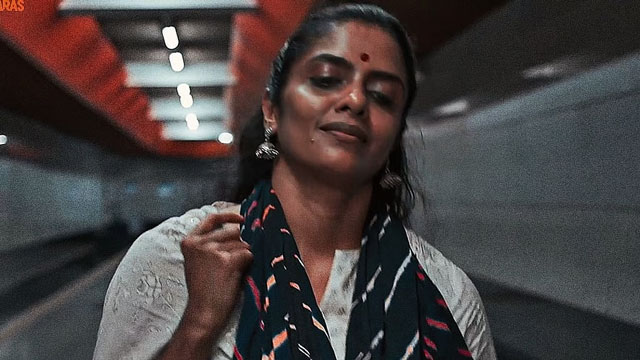
Kani admitted to initial apprehensions about how sexual assault would be portrayed onscreen. “No matter how careful we are, brutality can sometimes be consumed in a way that feels wrong. It’s a complex subject, but you learn to depict it only by depicting it. That’s why I wanted to be part of it,” she explained.
Speaking about director Anubhav Sinha, she described him as open-minded and courageous. “I admire his courage to speak about what he finds important. You are free to disagree with him. I’ve also read criticisms of his films and appreciate that discussion exists,” she noted.
Kani’s recent films — All We Imagine As Light and Girls Will Be Girls — have been noted for their strong focus on female experiences. When asked whether that influences her choices, she responded with a counter-question.
“The funny thing is we don’t ask this question to men. It comes up because we don’t have enough stories about all kinds of people. In an ideal world, films should just be films,” she said.
Comparing working styles, she highlighted the contrast between directors like Payal Kapadia and Shuchi Talati. “In AWIAL, every moment was measured and rehearsed countless times. For Shuchi’s film, we had only a few reading sessions. I personally love rehearsals — spontaneity works best when built on preparation,” she shared.
Kani, who trained at Adishakti in Pondicherry and NatanaKairali in Kerala, believes learning beyond acting is essential. She also practises the sitar, saying it helps her maintain balance and routine.
Surprisingly candid about her own work, she described herself as a “below-average actor.” “I do good work when I work hard. Sometimes I can see my laziness onscreen. Watching rehearsals was torturous, but I understood why it’s important — that’s how you learn,” she said.
While her performance in All We Imagine As Light brought international recognition, Kani says the biggest gain has been personal. “I gained a great friend in Payal. Shuchi, Preeti — they are wonderful people. These female friendships are the real reward,” she said, highlighting the solidarity among women artists in Indian cinema.
For Kani, acting remains a profession like any other — demanding, sometimes exhausting, but deeply collaborative. “An actor is almost like a nomad. But otherwise, this is like any other job. I don’t ascribe greater value to artists or cinema than any other work,” she concluded.