Daijiworld Media Network – Dubai
Dubai, May 20: The United Arab Emirates has said that the drones used in the recent attack on the Barakah nuclear power plant originated from Iraq, raising suspicions that Iran-backed Shiite militias were behind the strike amid escalating regional tensions linked to the ongoing Iran conflict.
According to the UAE Defence Ministry, the drones targeted a generator located on the perimeter of the Barakah nuclear facility. No injuries or radioactive leaks were reported following the attack.
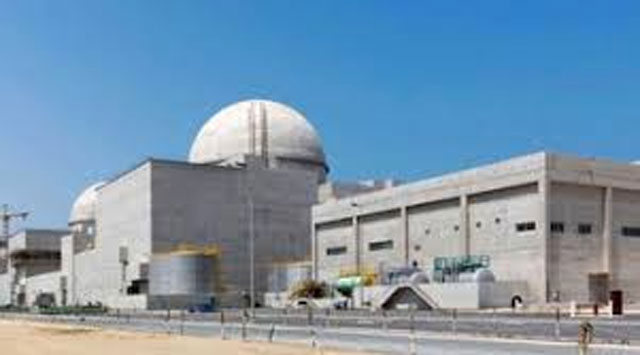
Although no group has officially claimed responsibility, Iran and allied militia groups have previously launched drone attacks targeting Gulf nations since the outbreak of the Iran-Israel-US conflict earlier this year.
At an emergency session of the United Nations Security Council on Tuesday, International Atomic Energy Agency (IAEA) chief Rafael Grossi expressed serious concern over attacks targeting operational nuclear facilities.
“In case of an attack on the Barakah nuclear power plant, a direct hit could result in a very high rate of radioactivity to the environment,” Grossi warned.
The UAE has recently accused Iran of carrying out drone and missile attacks even after a ceasefire between Tehran and Washington came into effect on April 8.
Meanwhile, US President Donald Trump said on Tuesday that he was prepared to give Iran a few more days to make progress in peace negotiations before considering fresh military strikes.
Speaking at the White House, Trump indicated that “serious negotiations” were underway, though he avoided setting a firm deadline. He earlier claimed he had come “an hour away” from authorising another round of attacks before deciding against it.
One of the key sticking points in negotiations remains the Strait of Hormuz, a crucial global energy route currently under heightened tensions. Iran continues to control access through the waterway while facing a US naval blockade.
According to maritime data firm Lloyd’s List Intelligence, ship traffic through the Strait of Hormuz more than doubled last week compared to the previous week, though it remains far below pre-war levels.
The US military’s Central Command said the naval blockade had stopped 89 commercial vessels since mid-April.
Vice President JD Vance also defended Washington’s tough stance on Iran’s nuclear ambitions, warning that failure to curb Tehran’s programme could trigger a wider nuclear arms race in the region.
“If every country starts pursuing nuclear weapons, the world becomes much less safe,” Vance said, calling Iran “the first domino”.
In Iraq, government spokesperson Bassem al-Awadi condemned the drone attacks on the UAE, though he did not directly address accusations regarding Iraqi territory being used for the strikes.
Saudi Arabia also confirmed intercepting three drones that entered its airspace from Iraq over the past two days.
The Barakah nuclear power plant, built with South Korean assistance at an estimated cost of $20 billion, became operational in 2020 and remains the Arab world’s only nuclear power facility. The plant supplies nearly a quarter of the UAE’s electricity needs.
Amid the growing tensions, prominent Emirati diplomat Anwar Gargash criticised what he described as confusion among regional countries regarding support and mediation during the conflict.
The ongoing crisis has also affected global shipping and energy markets. Iran has reportedly imposed stricter vetting procedures for vessels transiting the Persian Gulf, while permitting selected Chinese ships passage through the Strait of Hormuz.
China remains Iran’s largest oil customer, while India has reportedly secured safe passage for some cooking gas shipments through diplomatic engagement with Tehran.