Daijiworld Media Network - Chennai
Chennai, Apr 21: Union minister Piyush Goyal on Tuesday launched a sharp attack on Tamil Nadu’s ruling leadership, claiming that voters in the state will deliver a strong mandate in favour of the National Democratic Alliance (NDA) to “teach a lesson” to Chief Minister M. K. Stalin.
Speaking to reporters, Goyal alleged that remarks and political positions taken by both M.K. Stalin and his son Udhayanidhi Stalin had hurt Tamil cultural sentiments. He further accused the ruling leadership of making statements against Sanatana Dharma, describing it as a way of life for people in Tamil Nadu and across India.
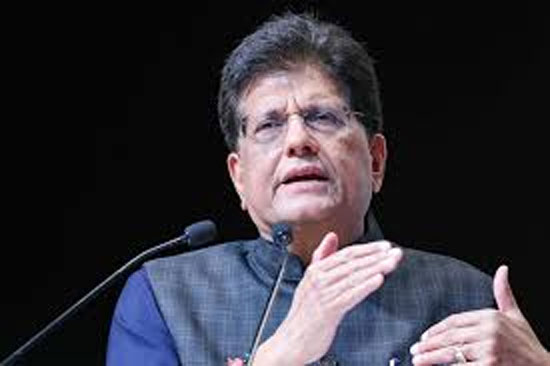
Goyal also criticised the state government over women’s reservation, blaming the Dravida Munnetra Kazhagam and the Indian National Congress for not ensuring adequate representation for women. He asserted that there was growing public support for the NDA and predicted that Edappadi K. Palaniswami could emerge as the next Chief Minister of Tamil Nadu.
He also referred to regional political dynamics, claiming that opposition parties had weakened development and equal opportunity goals across southern and northeastern states. According to him, dissatisfaction with the current administration was evident among voters.
Meanwhile, the political atmosphere in Tamil Nadu intensified as campaigning entered its final phase. With the Election Commission set to end all campaigning after 6 p.m., parties ramped up last-minute outreach across districts.
Leaders from the BJP and its allies accused the DMK government of poor governance and raised concerns about law and order and crimes against women. In contrast, leaders such as Arvind Kejriwal defended the DMK, stating that the state has seen development under its rule, while criticising opposition alliances and central agency actions against state party leaders.
The Indian National Congress also alleged misuse of central investigative agencies, claiming that searches targeting state party leaders were politically motivated.
With campaigning drawing to a close, Tamil Nadu’s political landscape remains sharply divided, with competing claims over governance, identity, and development dominating the final stretch.