Daijiworld Media Network – New Delhi
New Delhi, Apr 10: In a move signalling urgency in implementing curriculum reforms, the Central Board of Secondary Education (CBSE) has directed all affiliated schools to introduce a third language (R3) in Class 6 within seven days.
The directive, issued through a circular dated April 9, makes it compulsory for schools to implement the three-language formula from the 2026–27 academic session, regardless of whether prescribed textbooks are available.
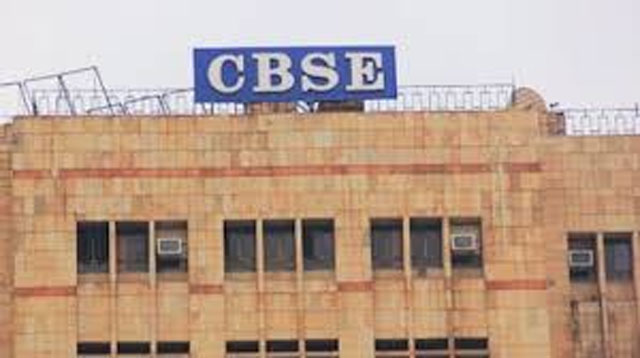
Describing the instruction as “urgent and mandatory,” CBSE stated that while some schools have already adopted the system, all remaining institutions must comply within a strict one-week deadline. “All remaining schools are hereby directed to ensure compliance within 7 days,” the circular said.
Significantly, the board clarified that the absence of textbooks will not be accepted as a reason for delay. Schools have been asked to begin teaching the third language immediately using locally available study materials until official textbooks are released.
Institutions have also been instructed to finalise the third language they intend to offer and update the information on the OASIS portal. CBSE added that its regional offices will closely monitor the implementation process.
The decision carries important implications for students, as only those languages introduced at the Class 6 level will be available as options in Classes 9 and 10. This makes early selection by schools crucial in shaping future subject choices.
The move aligns with the National Curriculum Framework for School Education 2023, which promotes multilingual learning through the R1, R2, R3 model. Under this framework, students study a mother tongue or regional language (R1), along with English or another Indian language (R2), and an additional third language (R3).
CBSE said the objective is to strengthen linguistic abilities, cultural awareness and national integration. The curriculum at the middle stage will focus on enhancing communication, comprehension, reading and writing skills, enabling students to express ideas effectively in real-life situations.
The circular emphasised a holistic approach to language learning, integrating speaking, listening, reading and writing competencies to build confidence and practical communication skills among students.