Daijiworld Media Network - Islamabad
Islamabad, Apr 10: A sharp diplomatic exchange has erupted between Israel and Pakistan following controversial remarks by Pakistan’s Defence Minister Khawaja Asif, raising concerns ahead of key US-Iran peace talks scheduled in Islamabad.
The controversy stems from a series of posts by Asif on X, in which he accused Israel of committing “genocide” in Lebanon and criticised its military actions across the region. He further alleged that violence had extended from Gaza to Iran and Lebanon, describing the situation as continued “bloodletting.”
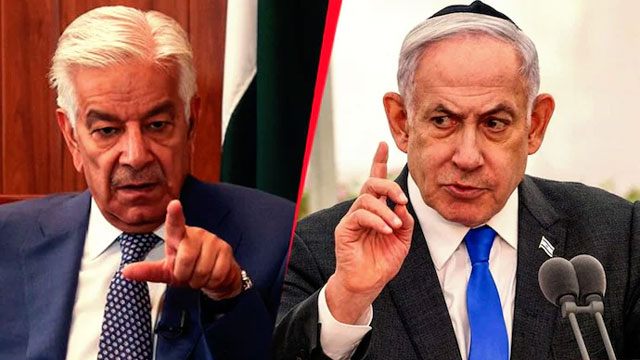
Reacting strongly, the office of Benjamin Netanyahu termed the remarks “outrageous” and said such statements were unacceptable, particularly from a country seeking to act as a neutral mediator.
Israel’s Foreign Minister Gideon Sa'ar also condemned the comments, calling them “antisemitic” and warning that such rhetoric undermines diplomatic credibility.
The development comes at a crucial juncture, with Pakistan playing a significant role in facilitating dialogue amid escalating tensions in West Asia. Islamabad has been credited with helping broker a temporary ceasefire between the United States and Iran and is preparing to host further negotiations.
Reports suggest that Nawaf Salam has also sought Pakistan’s assistance in pushing for an immediate halt to Israeli strikes in Lebanon. An Iranian delegation is expected in Islamabad for discussions linked to the broader regional crisis.
However, the latest war of words has raised questions over Pakistan’s neutrality, potentially complicating its diplomatic positioning.
Meanwhile, the fragile US-Iran ceasefire has shown signs of strain, particularly over disruptions in oil shipments through the strategically vital Strait of Hormuz.
US President Donald Trump accused Iran of failing to uphold commitments to ensure smooth passage of vessels, while Tehran cited ongoing Israeli strikes in Lebanon as a key concern.
Shipping activity through the strait has dropped significantly, raising fresh concerns over global energy markets. The crucial waterway carries nearly one-fifth of the world’s oil and LNG supplies.
As tensions persist, the unfolding diplomatic row highlights the fragile nature of ongoing peace efforts and the challenges facing regional stability.