Daijiworld Media Network – New Delhi
New Delhi, Mar 27: The Centre on Friday announced a sharp reduction in excise duty on petrol and diesel, bringing the levy down to Rs 3 per litre on petrol and zero on diesel, in a move aimed at easing pressure amid rising global crude prices.
The decision comes against the backdrop of a deepening global energy crisis triggered by tensions involving the United States, Israel and Iran, including disruptions around the strategically vital Strait of Hormuz, a key route for global oil supplies.
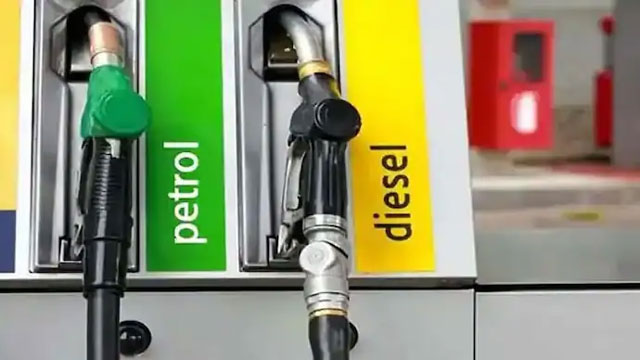
Officials said the steep cut—amounting to Rs 10 per litre for both petrol and diesel—is expected to provide relief to consumers and reduce cost pressures on oil marketing companies. India previously sourced a significant portion of its crude imports through the Strait, making it vulnerable to supply disruptions.
In contrast, the government has introduced a special additional excise duty of Rs 50 per litre on aviation turbine fuel (ATF). However, after applicable adjustments, the effective levy is estimated to be around Rs 29.5 per litre.
The move signals a differentiated taxation approach, with aviation fuel bearing a higher burden compared to road fuels.
The government has also curtailed export benefits by withdrawing broad-based excise exemptions on shipments of petrol, diesel and ATF. Under the revised framework, such benefits will now be restricted to specific categories, indicating a more calibrated policy stance.
However, certain exemptions remain in place. Supplies by public sector oil companies to neighbouring countries such as Nepal, Bhutan, Bangladesh and Sri Lanka will continue to receive preferential treatment. Additionally, previously approved export consignments will not be affected retrospectively.
The policy shift comes amid heightened volatility in global oil markets. By lowering duties on petrol and diesel while increasing levies on ATF and tightening export rules, the government appears to be prioritising domestic fuel availability and price stability.
The revised duty structure marks a significant recalibration of India’s fuel taxation policy, with implications for consumers, refiners and the broader energy sector.