Daijiworld Media Network - Riyadh
Riyadh, Mar 24: Key allies of the United States in the Persian Gulf are moving closer to supporting military action against Iran, signalling a tougher stance amid escalating tensions in West Asia.
According to reports, countries such as Saudi Arabia and the United Arab Emirates are stepping up cooperation with Washington, driven by repeated attacks that have impacted their economies and raised concerns over Iran’s potential control of the Strait of Hormuz.
In a significant shift, Riyadh has reportedly allowed US forces access to King Fahd Air Base, marking a reversal from its earlier reluctance to support strikes on Tehran. Meanwhile, the UAE has taken steps to curb Iranian-linked operations by shutting down facilities allegedly tied to Tehran.
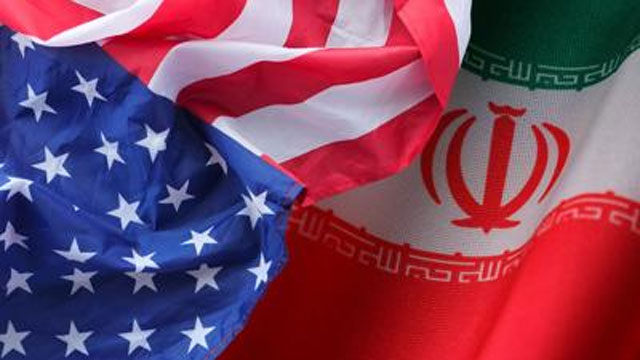
The developments are expected to enhance US airstrike capabilities and target Iran’s financial networks, although Gulf nations have so far stopped short of full-scale military deployment.
Tensions have escalated following retaliatory strikes across the region. After Israel targeted an Iranian gas field last week, Tehran launched counterstrikes on energy infrastructure in neighbouring countries, prompting a firmer response from Gulf states.
The situation follows an announcement by Donald Trump of a temporary five-day pause in planned strikes on Iran, which he described as an opportunity for “productive negotiations” through backchannel diplomacy.
Despite this pause, Gulf allies appear increasingly frustrated with Iran’s actions, including drone and missile strikes on targets in the UAE, Saudi Arabia’s oil-rich eastern regions, and Kuwait.
While both Saudi Arabia and the UAE have condemned Iran’s actions as a “dangerous escalation,” they have also signalled readiness to defend their territories amid the widening conflict.
Reports also indicate that the US has fast-tracked billions of dollars in arms sales to regional allies, reflecting growing military coordination in response to the crisis.
Meanwhile, Trump claimed that Iran has indicated willingness to forgo nuclear weapons following recent discussions, though Iranian officials, including Parliament Speaker Mohammad Bagher Ghalibaf, have denied any direct negotiations, calling such reports “fake news.”
Despite conflicting claims, diplomatic signals suggest that indirect communication through mediators is ongoing, even as the region remains on edge over the possibility of further escalation.