Daijiworld Media Network – New Delhi
New Delhi, Mar 23: Amid mounting uncertainty over global energy supplies due to tensions in West Asia, the Centre is exploring measures to manage domestic LPG availability, including reducing the quantity of fuel in cylinders and extending the waiting period for refills.
Sources said the government has asked Oil Marketing Companies to examine the feasibility of supplying 10 kg or even 7 kg LPG cylinders, compared to the current 14.2 kg standard.
Officials indicated that the move is being considered in view of concerns over fuel tanker movement through the Strait of Hormuz, a key global energy transit route.
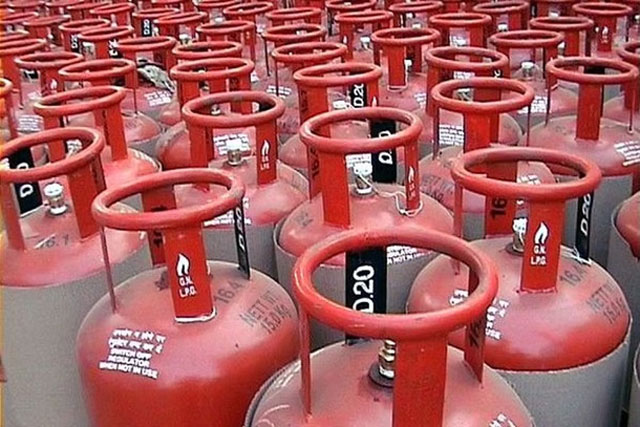
“Some options are being discussed to ensure equitable distribution, prevent shortages and minimise pilferage. Reducing LPG in domestic cylinders is one of them,” an official source said.
However, the proposal has triggered concern among consumers. Many fear that smaller cylinders will not last long enough, especially with restrictions on refill bookings.
“At present, one cylinder lasts about 15 days. A 10-kg or 7-kg cylinder will be over within a week. With booking allowed only after 25 days, it will become difficult to manage,” said a consumer.
LPG dealers have also expressed apprehension, warning that changes in supply quantity could complicate distribution and lead to operational challenges.
“We are already dealing with high demand, booking issues and e-KYC problems. Any change in cylinder size will add to the confusion and may even lead to allegations of pilferage,” a dealer said.
Distributors noted that handling a higher number of smaller cylinders would increase logistical pressure, though it may help expand access if supply remains tight.
Meanwhile, reports suggest that the waiting period for booking refills could be extended from 25 to 30 days. Consumers have raised concerns over delays and lack of clarity in delivery timelines.
Distributors said they are struggling to balance supply constraints with rising customer dissatisfaction, adding that they are adhering to existing rules while trying to manage deliveries efficiently.