Daijiworld Media Network - Doha
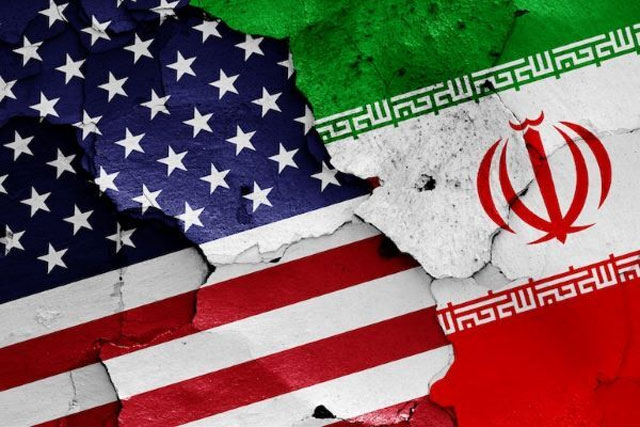
Doha, May 25: Iran’s top negotiator and Foreign Minister were in Doha on Monday for discussions with Mohammed bin Abdulrahman Al Thani on a possible agreement with the United States aimed at ending the three-month-long conflict in the region.
The talks came as both Washington and Tehran played down expectations of an immediate breakthrough.
Speaking in New Delhi earlier in the day, Marco Rubio said the US would give diplomacy every opportunity before considering “another way” of dealing with Iran.
Rubio said there was a “pretty solid thing on the table” regarding reopening the Strait of Hormuz and beginning a “significant, time-limited negotiation” on Iran’s nuclear programme.
In a lengthy post on Truth Social, Donald Trump said talks with Iran were progressing “nicely” but warned of fresh attacks if negotiations failed.
“It will only be a Great Deal for all, or no Deal at all,” Trump wrote.
He also urged more Arab and Muslim-majority countries to join the Abraham Accords, calling on Saudi Arabia and Qatar to sign the agreement immediately.
Iranian Foreign Ministry spokesperson Esmaeil Baghaei said several issues had been resolved in the negotiations, though he clarified that the parties were “not close to signing an agreement”.
According to officials briefed on the Doha talks, discussions are currently focused on the Strait of Hormuz and Iran’s stockpile of highly enriched uranium. Iran’s central bank governor is also reportedly part of the delegation to discuss the possible release of frozen Iranian funds as part of a final deal.
Baghaei said the proposed memorandum of understanding contains 14 points centred on ending the conflict and lifting the US naval blockade around the Strait of Hormuz in exchange for Iran ensuring safe passage through the strategic waterway.
He said nuclear issues would be negotiated separately during a 60-day period if the initial framework agreement is finalised.
Trump has repeatedly stated that preventing Iran from developing a nuclear weapon remains a key objective. Tehran has consistently denied pursuing nuclear weapons.
Meanwhile, Iran claimed it had shot down a “hostile” stealth drone using a newly deployed air defence system. Iranian news agencies did not specify where the drone originated from.
“This is a sign from us that no more stealth drones can penetrate the skies of the Persian Gulf,” Iran’s Fars News Agency quoted unnamed officials as saying.
Baghaei said the draft agreement does not contain specific details regarding management of the Strait of Hormuz. He added that while Iran would not impose tolls on vessels passing through the strait, charges may apply for navigation assistance and environmental protection services under a protocol to be worked out with Oman.
The Strait of Hormuz has remained effectively restricted since US and Israeli strikes on Iran began on February 28, sharply reducing shipping traffic through one of the world’s most critical oil transit routes.
Iranian state television reported that 32 vessels and five oil tankers crossed the strait in the past 24 hours with authorisation from the Islamic Revolutionary Guard Corps navy, while reiterating that no vessel would be allowed transit without coordination.
The disruption has contributed to rising global oil prices and increased costs of fuel, fertilisers and food worldwide.
However, oil prices reportedly fell more than four per cent on Monday amid optimism that Washington and Tehran may be moving closer towards an agreement.
Despite the diplomatic push, major disagreements reportedly remain over Iran’s nuclear ambitions, sanctions relief, the release of frozen oil revenues and the ongoing conflict involving Hezbollah in Lebanon.
Separate reports also suggested that Benjamin Netanyahu has privately acknowledged that Israel now has limited influence over Trump’s decisions regarding the Iran conflict.