Daijiworld Media Network - Tehran
Tehran, May 3: Iran has asserted full operational control over the strategic Strait of Hormuz, with military officials stating that no vessel—whether friendly or hostile—can pass through the waterway without Iranian authorization.
Iranian army spokesman Mohammad Akraminia said the country’s armed forces are actively overseeing the key maritime route, describing control of the strait as an “inherent right” that Tehran has not exercised for years but is now fully enforcing.
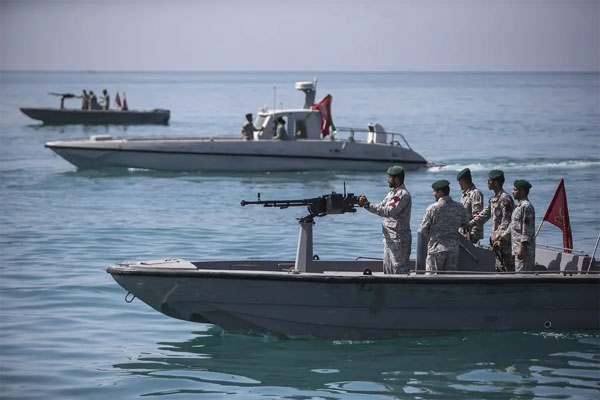
According to Akraminia, Iran’s Islamic Revolutionary Guard Corps operates in the western sector of the strait, while the national army is deployed in the eastern sector, together maintaining strict control over shipping movement. He warned that no vessel would be allowed passage without formal clearance from Iranian forces.
Separately, Iran’s Deputy Foreign Minister Hamid Ghanbari was quoted by local media as saying that several countries have been urgently contacting Tehran through diplomatic messages, requesting permission for their ships to transit the waterway amid rising restrictions.
Iranian authorities reportedly tightened oversight of the strait from late February, restricting passage for vessels linked to Israel and the United States following regional military tensions and cross-border strikes.
In parallel remarks, Iran’s leadership has outlined what it calls a new strategic vision for the Persian Gulf. Supreme Leader Mojtaba Khamenei said a “new chapter” is emerging in the region, involving a revised legal and administrative framework for managing the Strait of Hormuz.
In a message marking the National Day of the Persian Gulf, he said Iran’s historical role reflects resistance against foreign interference and described the Islamic Revolution as a turning point in regional dynamics.
He added that past interventions by foreign powers had caused insecurity and instability in the region, while asserting that future governance of the strait would focus on development and regional benefit.
The statement also projected a vision of the Persian Gulf’s future as one oriented toward regional prosperity, peace, and reduced foreign influence, with Tehran positioning the proposed framework as a pathway to economic cooperation among neighbouring states.