Daijiworld Media Network - Tehran
Tehran, May 2: Iran’s political leadership is reportedly facing internal friction over the position of Foreign Minister Abbas Araghchi, with President Masoud Pezeshkian and Parliament Speaker Mohammad Bagher Ghalibaf allegedly seeking his removal amid accusations of bypassing civilian oversight.
According to sources cited in reports, the two leaders believe Araghchi has been acting under the influence of senior figures within the Islamic Revolutionary Guard Corps, particularly Islamic Revolutionary Guard Corps commander Ahmad Vahidi, rather than strictly following government directives.
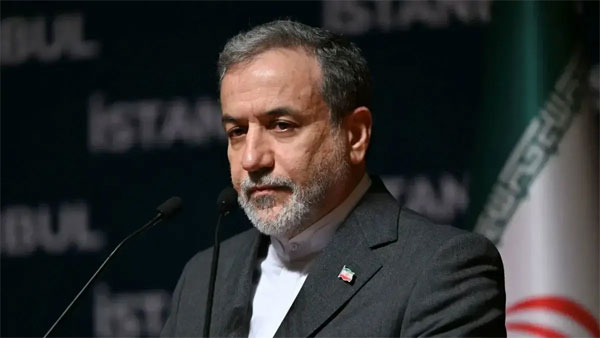
The allegations suggest that Araghchi has been coordinating sensitive diplomatic and nuclear-related negotiations closely with military leadership, without consistently informing the presidency. This has reportedly caused growing dissatisfaction within the executive branch, with Pezeshkian said to be considering dismissal if the situation continues.
The reported tensions reflect broader divisions within Iran’s political and security establishment over the handling of ongoing geopolitical challenges and economic pressures. Earlier accounts had already pointed to disagreements between the presidency and IRGC leadership over war management and domestic economic policy.
Sources further indicate that internal disagreements have also affected Iran’s diplomatic engagement with the United States. Negotiations reportedly stalled in mid-April amid disputes over authority within the Iranian delegation, with concerns raised that negotiators lacked final decision-making power without approval from higher leadership in Tehran.
JD Vance was quoted as saying that US negotiators believed the Iranian team did not have sufficient authority to conclude agreements independently.
The report also highlights shifting dynamics within Iran’s negotiation structure. Mohammad Bagher Ghalibaf had earlier led parts of the negotiating team in discussions, including talks held in Islamabad, but later stepped back amid internal criticism over the scope of negotiations.
Araghchi reportedly travelled to Islamabad on April 24 to present Tehran’s proposal, which was later rejected by the United States, according to media accounts.
While there has been no official confirmation regarding any move to remove the foreign minister, the reported developments point to growing internal strains within Iran’s leadership at a time of continued diplomatic deadlock and heightened regional tensions.