Daijiworld Media Network - New Delhi
New Delhi, Mar 23: Congress MP Manish Tewari on Monday voiced serious concerns over the intensifying conflict in West Asia, warning of major disruptions to global supply chains and calling for urgent diplomatic intervention.
Speaking to the media, Tewari said the conflict has entered a “highly critical and dangerous phase,” with escalating hostilities raising alarms worldwide. He stressed that all parties involved must step back and allow diplomacy to take precedence before the situation worsens further.
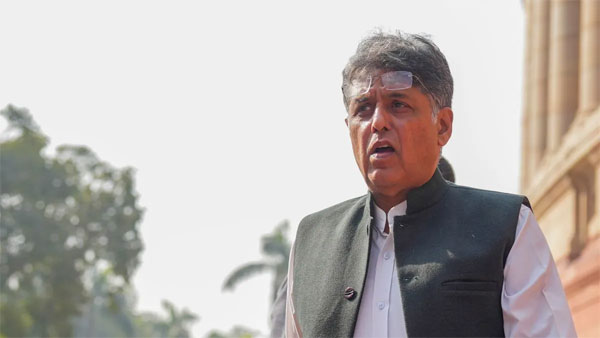
Highlighting the broader economic fallout, Tewari pointed out that energy-dependent countries are particularly vulnerable. He noted that disruptions are no longer limited to crude oil and natural gas, but are also affecting essential sectors such as fertilisers, food supplies, pharmaceuticals, and life-saving medicines.
Referring to recent developments, he mentioned reports suggesting that Iran attempted to target a nuclear facility in Israel, alongside warnings issued by the United States. He described the situation as possibly the most dangerous phase of the ongoing conflict.
Tewari also revealed that nearly 3,000 ships are currently stranded across the Gulf of Oman and Persian Gulf, underscoring the scale of disruption to global trade routes. He warned that prolonged instability could severely impact supply chains worldwide.
Earlier in the day, Prime Minister Narendra Modi also raised concerns over the crisis while addressing the Lok Sabha. He noted that the conflict has persisted for over three weeks and is already affecting global economic stability and everyday life.
Modi emphasized that India faces a range of challenges due to the situation, including economic pressures, national security risks, and humanitarian concerns, given its strong trade ties with countries in the region.
Meanwhile, the Prime Minister chaired a meeting of the Cabinet Committee on Security in New Delhi to review the evolving situation involving Iran, Israel, and the United States. During the meeting, Cabinet Secretary T. V. Somanathan presented a comprehensive assessment of preparedness measures undertaken by various ministries.
According to an official statement from the Prime Minister’s Office, the ongoing conflict is expected to have significant short-, medium-, and long-term impacts on the global economy. Discussions focused on ensuring the availability of critical resources for citizens, including food, fuel, and energy supplies, along with strategies to mitigate potential disruptions.
The government also reviewed contingency plans aimed at maintaining stability in essential supply chains, as uncertainties in the region continue to grow.