Daijiworld Media Network – New Delhi
New Delhi, Dec 27: Curcumin, the active compound found in turmeric, may offer modest benefits in reducing blood pressure among people with prediabetes and type 2 diabetes (T2D), according to a recent meta-analysis of clinical trials.
Hypertension is a common and serious condition among individuals with prediabetes and T2D, significantly increasing the risk of heart disease and other cardiovascular complications. While standard antihypertensive medications remain the primary treatment, researchers have been exploring supportive nutritional interventions that can address inflammation and oxidative stress — two key factors linked to high blood pressure. Curcumin, known for its anti-inflammatory and antioxidant properties, has drawn attention in this context, though earlier studies reported mixed results.
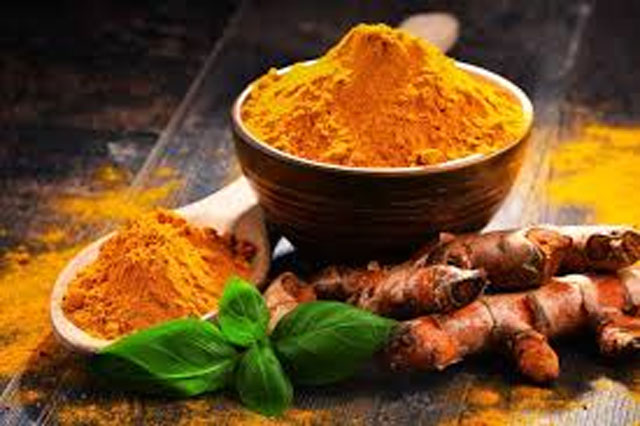
To clarify its effectiveness, researchers conducted a systematic review and meta-analysis of 15 randomised controlled trials involving 855 participants with prediabetes or T2D. The studies, sourced from PubMed, Scopus and Web of Science up to August 2025, examined the impact of curcumin or turmeric supplementation on blood pressure. A random-effects model was used to analyse changes in systolic blood pressure (SBP) and diastolic blood pressure (DBP), along with subgroup analyses based on factors such as hypertension status, body weight, diabetes type, formulation and dosage.
The pooled results showed that curcumin or turmeric supplementation led to a significant reduction in systolic blood pressure by an average of 2.69 mmHg compared to control groups. The benefit was more pronounced in participants who already had hypertension, with SBP dropping by 3.41 mmHg. Notable reductions were also seen among overweight individuals, those with prediabetes or T2D, and in trials using nano-curcumin, turmeric, or curcumin combined with piperine at doses above 1 gram per day.
Overall changes in diastolic blood pressure were not statistically significant, although a meaningful reduction was observed in participants with type 2 diabetes. Importantly, no major safety concerns were reported across the trials included in the analysis.
Researchers noted that while the blood pressure reduction was modest, it could still be clinically relevant, especially for high-risk patients with diabetes and existing hypertension. They emphasised the need for further high-quality studies to confirm these findings, identify the most effective formulations and dosages, and better define the role of curcumin as a complementary approach alongside conventional blood pressure treatments.