Daijiworld Media Network - Kolkata
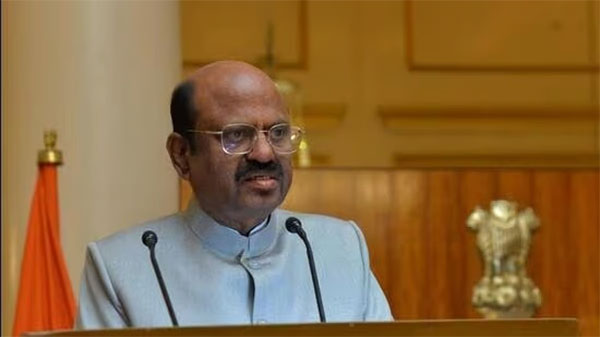
Kolkata, Dec 4: West Bengal governor C V Ananda Bose issued a sharp warning that the Centre would intervene if attempts were made to inflame communal tensions in the state. His remarks followed the suspension of Trinamool Congress MLA Humayun Kabir, whose controversial comment about constructing a Babri Masjid in Murshidabad triggered widespread outcry.
In a conversation with reporters, the governor said he had received multiple reports indicating that certain individuals were deliberately trying to drag Murshidabad into disrepute. He stressed that the district would not be allowed to turn into what he called a “school of scandal,” emphasizing that the matter went far beyond the construction of a place of worship and directly touched upon the risk of disturbing communal harmony. Bose warned that no authority—state or central—would sit quietly if such tensions were fuelled, and promised swift and firm action against anyone attempting to take the law into their own hands.
When asked whether the suspended MLA should face preventive custody, he said the decision lay squarely with the state administration, whose constitutional responsibility was to uphold law and order. On questions related to demographic shifts in Bengal, the Governor said the available data spoke for itself and suggested that the issue of imbalance was already well known, though he refrained from further commentary.
Recounting his visit to several border regions, Bose expressed confidence in the BSF and other security forces, praising their vigilance and discipline. He underscored that India, as a mature democracy, understood how to safeguard its frontiers effectively.
On the Election Commission’s concern about Booth Level Officers facing harassment during the ongoing revision exercise, the Governor said the matter was being handled between the Commission and the state government. He noted that disagreements were a natural part of democratic functioning but stressed that the state was duty-bound to support the Commission to ensure free and fair elections.
Looking ahead to the coming polls, Bose insisted that peaceful elections were not just expected but essential. He described violence and corruption as “cancerous growths” in Bengal’s political environment and asserted that all constitutional tools available would be used to eliminate them. Reflecting on Bengal’s present state, he said the region once known for shaping national thought was in need of transformation—something he believed was both necessary and achievable.
Drawing a personal comparison between Kerala, his home state, and Bengal, Bose highlighted the cultural richness and intellectual vibrancy shared by both regions. He said his efforts were focused on nurturing this shared heritage through initiatives like the Bengal–Kerala cultural trail, adding that his role remained firmly rooted in culture and governance rather than politics.