Daijiworld Media Network - Kabul
Kabul, May 14: Afghanistan’s humanitarian and economic situation continued to worsen in 2025, with nearly 28 million people struggling to meet basic daily needs as poverty, drought, and declining international assistance push the country deeper into crisis, according to a new report released by the United Nations Development Programme.
The report stated that Afghanistan’s economy recorded only 1.9 per cent growth in 2025, far below the country’s estimated population growth rate of 6.5 per cent. As a result, real per capita income continued to decline sharply across the country.
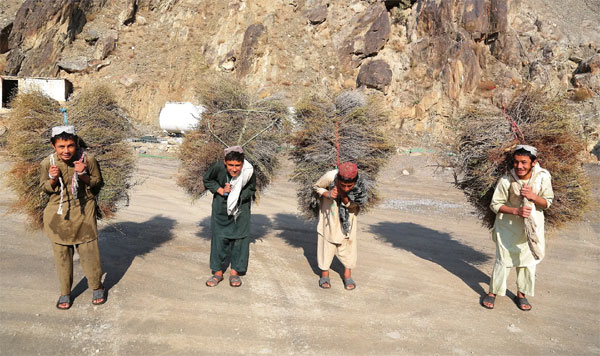
According to the findings, nearly three-fourths of the population has been forced to adopt negative coping strategies to survive, while more than 80 per cent of households are currently burdened with debt.
The report, cited by Khaama Press, highlighted that worsening drought conditions, reduced global aid, and the return of almost 2.9 million Afghan migrants have placed additional pressure on families already facing food insecurity, unemployment, and limited healthcare access.
The UNDP also linked the deteriorating economic environment to restrictions imposed by the Taliban on women and girls, stating that limits on female education and employment opportunities have weakened the country’s workforce and reduced household earnings.
Afghanistan’s trade deficit reportedly reached USD 11.3 billion in 2025, while access to essential services such as clean drinking water and healthcare continued to decline.
The report noted that more than 440 health centres across the country have either shut down or are operating with limited services because of severe funding shortages.
Climate-related challenges have further intensified the crisis, with drought conditions now affecting nearly 64 per cent of Afghanistan’s arable land in 2026, according to UN officials.
The agency warned that without sustained international support and investment in livelihoods, local businesses, and public services, Afghanistan risks facing an even deeper economic collapse in the coming years.