Daijiworld Media Network - New Delhi
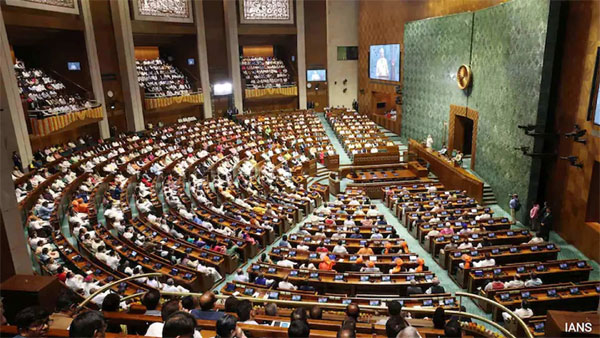
New Delhi, Apr 4: Prime Minister Narendra Modi on Saturday announced a three-day extension of the ongoing Budget Session of Parliament to accelerate steps for implementing 33% reservation for women in the Lok Sabha and state Assemblies.
The additional sittings, scheduled for April 16–18, will focus on operationalising the Nari Shakti Vandan Adhiniyam, with the government aiming to enforce the quota from the 2029 general elections.
Highlighting the importance of women’s empowerment, the Prime Minister reiterated his government’s commitment to ensuring one-third representation for women in legislative bodies. He said the extended session would address key legislative and constitutional requirements needed to bring the policy into effect.
A major concern being addressed is the fear among states—particularly in southern India—that population control efforts could lead to reduced representation in Parliament. To counter this, the government is considering provisions to ensure that no state loses Lok Sabha seats due to demographic changes.
Another proposal under discussion involves creating women-reserved seats as additional seats, effectively increasing the total strength of the Lok Sabha and state Assemblies. This approach aims to expand representation for women without impacting existing constituencies.
PM Modi called for broad political consensus, urging opposition parties, including the INDIA bloc and the Indian National Congress, to support the initiative.
“The rights of our mothers and sisters have remained pending for nearly 40 years. They should not be delayed again for the 2029 elections,” he said.
The move builds on the passage of the Women’s Reservation Bill during a special parliamentary session in 2023, whose implementation was earlier tied to the completion of the Census and delimitation exercise.
The proposed changes aim to fast-track the rollout, with discussions likely to cover issues such as sub-quotas for OBC women and the broader framework of constituency delimitation.
If consensus is reached, the extended session could mark a major step toward increasing women’s representation in India’s legislative system and advancing inclusive governance.