Daijiworld Media Network - New Delhi
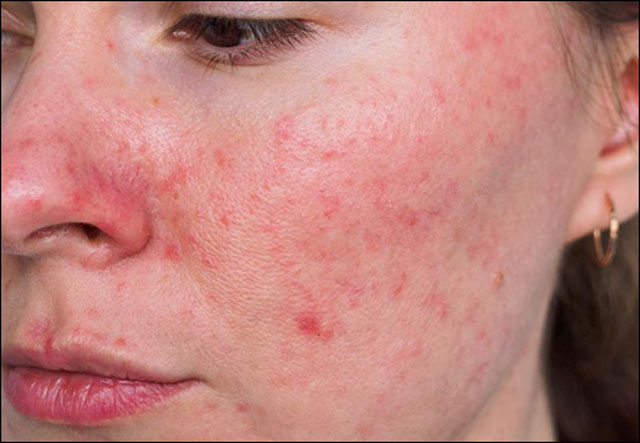
New Delhi, Mar 20: A new retrospective cohort study has found a significant association between rosacea and an increased risk of developing depression, underscoring the need for integrated dermatological and mental health care.
Researchers analysed data from the Korean National Health Insurance Service-Health Screening Cohort covering the period from 2003 to 2017 to better understand the link, particularly in Asian populations where evidence has been limited.
The study included 3,052 individuals newly diagnosed with rosacea and a matched control group of 30,520 people without the condition. Participants were matched by age, sex, and index year to ensure comparability, with the primary outcome being the development of depression over time.
Out of a total cohort of 33,572 individuals, 4,057 cases of depression were recorded, including 485 cases among patients with rosacea. The findings showed that those with rosacea had a 34 percent higher risk of developing depression compared to those without the condition.
The association remained consistent across multiple analyses, including subgroup evaluations and sensitivity tests, reinforcing the reliability of the results.
Researchers suggest that the visible and chronic nature of rosacea may contribute to psychological distress, increasing vulnerability to depression. However, they clarified that the study does not establish a direct cause-and-effect relationship.
The findings highlight the importance of a holistic approach to patient care, with experts recommending that clinicians treating rosacea remain vigilant about potential mental health concerns to enable early detection and intervention.
The study calls for further research to better understand the biological and psychosocial mechanisms behind the association, while emphasising the benefits of integrating dermatological and psychiatric care for improved patient outcomes.