Daijiworld Media Network - New Delhi
New Delhi, Mar 18: In 2024, the world reported an unprecedented surge in dengue cases, with over 14 million infections and more than 11,000 deaths globally. While climate change and rapid urbanisation have been recognized as drivers of this increase, a recent study suggests that long-term exposure to air pollution, specifically fine particulate matter (PM2.5), may also contribute to higher dengue mortality.
Led by Sakirul Khan of the Research Center for Global and Local Infectious Diseases, Oita University, Japan, the study involved collaboration with researchers from Japan, Bangladesh, and the United Kingdom. Covering 20 dengue-endemic countries across Asia, Africa, and Latin America during 2020–2024, the research found that nations with annual PM2.5 levels above 35 μg/m³ experienced three to five times higher dengue fatality rates than countries with levels below 15 μg/m³.
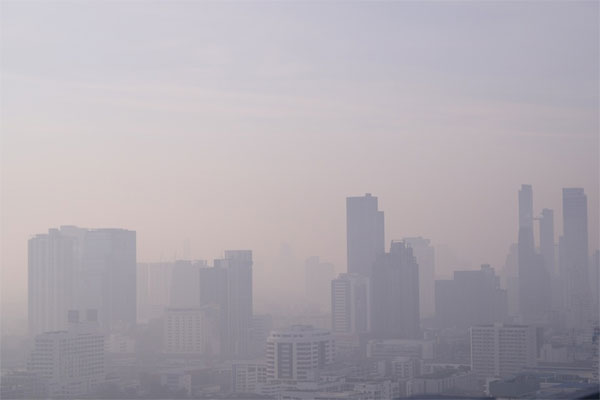
How Pollution Weakens Defenses
Long-term exposure to PM2.5 is known to damage the immune system and impair blood vessel function (endothelial dysfunction), which are also key features of severe dengue. Chronic pollution exposure can cause inflammation and compromise vascular integrity, potentially increasing the severity of dengue infections. Regional studies in southern Taiwan and Singapore have also suggested that air pollution may influence mosquito vectors, virus dynamics, and human immunity.
Limitations and Confounding Factors
Experts caution against directly linking air pollution to dengue severity. Sujatha Sunil of the International Centre for Genetic Engineering and Biotechnology, New Delhi, notes that countries with poorer healthcare infrastructure and underreporting of cases may artificially inflate case fatality rates. She emphasizes that while reducing air pollution is important for overall health, vector control and dengue-specific interventions remain critical.
Khan’s study accounted for factors such as rainfall, temperature, population density, urbanisation, GDP, and prevalence of comorbidities. Even after adjusting for these, PM2.5 remained a strong predictor of dengue fatality. Interestingly, the study also found a negative correlation between PM2.5 levels and urban population density, reflecting stricter pollution controls in some highly urbanised countries.
Economic and Healthcare Context
Countries with higher GDP per capita showed lower dengue fatality rates, indicating that stronger healthcare systems may mitigate the impact of pollution on outcomes. In Bangladesh, for instance, despite similar PM2.5 levels across divisions, Dhaka had the highest dengue mortality, likely due to extreme population density and pressure on healthcare facilities.
India, which ranks among the top five countries globally for air pollution, recorded over two million deaths from air pollution in 2023. Although dengue cases and fatalities in India declined in 2025 thanks to vector control measures, Khan warns that climate variability and unpredictable rainfall make sustained vigilance essential.
Implications for Public Health
The study highlights the need to integrate air quality management into broader public health strategies, particularly in dengue-endemic and highly polluted countries such as Bangladesh, India, Nepal, and Indonesia. Improving air quality can strengthen population health and potentially reduce severe outcomes from dengue and other infectious diseases.
However, experts like Sunil stress that air pollution control should remain a parallel policy focus, not merged operationally with dengue programs, to avoid diluting the effectiveness of both interventions. While air pollution may also impact mosquito physiology and disease transmission, vector control continues to be the most critical aspect of dengue management.
Khan concludes, “Sustained surveillance, flexible outbreak preparedness, improved clinical care, and long-term environmental interventions—including air quality improvement—remain essential in dengue-endemic regions.”