Daijiworld Media Network - New Delhi
New Delhi, Mar 18: Scientists at MDI Biological Laboratory have uncovered how zebrafish regenerate functional kidney units, a discovery that could pave the way for future advances in human organ repair, according to a new study published in Development.
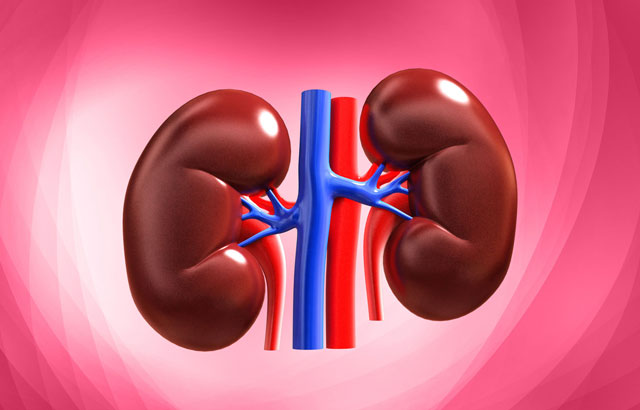
The research sheds light on a major challenge in regenerative biology — restoring kidney function after damage. In humans, conditions such as high blood pressure and diabetes can destroy nephrons, the kidney’s essential filtering units, leading to chronic kidney disease. Once lost, these units cannot regenerate naturally.
However, zebrafish possess the remarkable ability to regrow new nephrons after injury and seamlessly integrate them into existing kidney structures, allowing them to function effectively.
Led by Iain Drummond and Caramai Kamei, the research team discovered that this integration involves a highly coordinated cellular process. At the point where a new nephron connects to an existing tubule, specific cells temporarily change behaviour, extending protrusions that help form a functional connection.
Simultaneously, neighbouring cells divide to support growth, while others specialise into filtration structures — a tightly synchronised process ensuring proper development and function.
The study also identified the role of signalling systems, particularly the “canonical” Wnt pathway, along with a secondary mechanism involving a receptor known as fzd9b. These signals guide cells on when to grow, connect, or specialise, ensuring the new structures align correctly within the kidney’s network.
Researchers emphasised that while growing organ-like tissues in laboratories has become increasingly feasible, integrating them into living systems so they function properly remains a key hurdle.
The findings highlight that successful regeneration is not just about creating tissue but enabling it to perform — such as allowing fluid to flow through newly formed structures, which is critical for long-term stability and function.
The study’s insights could have far-reaching implications, potentially helping scientists develop methods to repair or regenerate human kidneys and other organs by ensuring lab-grown tissues integrate and function effectively within the body.