Daijiworld Media Network - New Delhi
New Delhi, Mar 3: A new global study has identified breast cancer as a leading cause of mortality and morbidity among women worldwide, with India witnessing a staggering 477% rise in cases and a 352% increase in deaths between 1990 and 2023.
The study, published in The Lancet Oncology, projected that global breast cancer cases could rise to 3.5 million by 2050 — up by nearly a third from 2.3 million in 2023. Annual deaths are expected to increase by 44% to around 1.37 million.
Led by Kayleigh Bhangdia from the Institute for Health Metrics and Evaluation at the University of Washington, the study reported that India recorded approximately 2.03 lakh breast cancer cases in 2023 — a nearly 477% increase since 1990 — along with over one lakh deaths, marking a 352.3% rise during the same period.
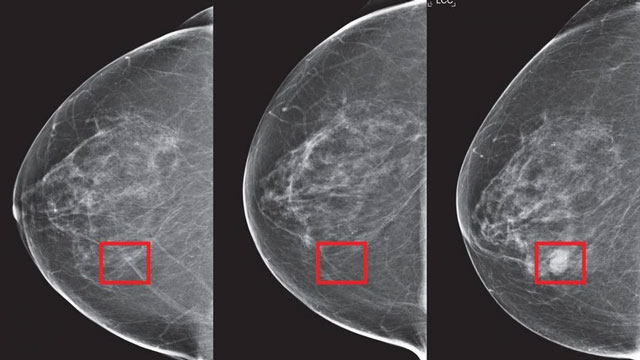
The burden of the disease was found to be uneven globally, with low- and middle-income countries experiencing a sharper rise compared to high-income nations.
According to the findings, the age-standardised incidence rate (ASIR) rose by 147.2% in low-income countries, while high-income countries saw only a 1.2% change. Meanwhile, the age-standardised mortality rate (ASMR) declined by 29.9% in high-income countries but increased by 99.3% in low-income nations.
“Breast cancer continues to take a profound toll on women's lives and communities,” Bhangdia said, noting that women in high-income countries benefit from screening, early diagnosis and comprehensive treatment strategies. In contrast, low- and lower middle-income countries face later-stage diagnoses, limited access to quality care and higher mortality rates.
The study attributed stable incidence and declining mortality in high-income countries to effective screening programmes, timely diagnosis and advanced treatment options. However, the simultaneous rise in cases and deaths in other regions signals gaps in healthcare systems.
Researchers also highlighted that while breast cancer disproportionately affects countries with limited resources, adopting healthy lifestyle practices — including avoiding smoking, engaging in regular physical activity, reducing red meat consumption and maintaining a healthy weight — could help prevent over a quarter of healthy years lost due to illness and premature death.