Daijiworld Media Network - Bengaluru
Bengaluru, Jan 3: Breathing is an automatic process that most people rarely think about, but medical experts warn that how one breathes can have a significant impact on overall health. Mouth breathing, especially when it becomes a habit, can lead to a range of health complications, according to doctors.
With social media influencers increasingly promoting “mouth taping” as a solution to force nasal breathing during sleep, experts caution that the trend may do more harm than good. Speaking to HT Lifestyle, Dr Harihara Murthy, ENT, head and neck surgeon at Apollo Spectra Hospital, Bengaluru, said chronic mouth breathing is linked to multiple health problems and should not be ignored.
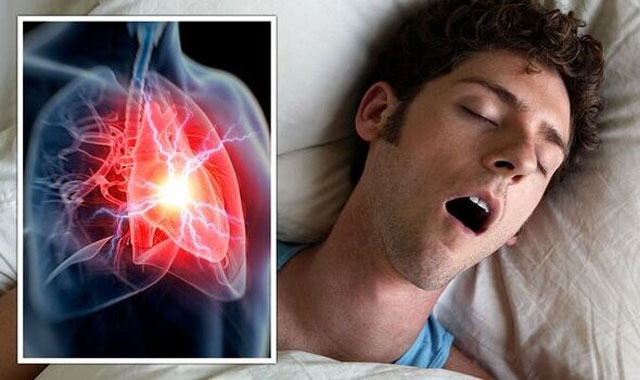
Dr Murthy explained that mouth breathing can disturb sleep due to enlarged tonsils, leading to snoring and poor sleep quality. It can also dry out the gums and oral tissues, disrupting the balance of bacteria in the mouth and increasing the risk of gum disease and tooth decay. Reduced oxygen concentration in the blood can affect lung function and worsen asthma symptoms.
Other effects include droopy eyes and dark circles due to dilated veins around the eyes, frequent flu and sinus infections as the mouth bypasses the nose’s natural filtration system, and chronic dry or sore throat, particularly in the mornings.
The ENT specialist also raised concerns about mouth breathing in children, warning that it can affect facial growth and development. Habitual mouth breathing may result in downward jaw growth, crooked teeth, a long facial structure, protruding upper lips and flared nostrils. A 2025 study found that children who breathe through their mouths are more prone to snoring, restless sleep and even breathing pauses at night, highlighting the need for parental vigilance.
Common signs of mouth breathing include persistent dry mouth, bad breath, mental fatigue or brain fog, snoring, drooling, and waking up feeling tired and irritable.
To prevent mouth breathing, Dr Murthy advised practising diaphragmatic breathing, which helps engage the correct muscles and promotes nasal breathing. Maintaining proper posture during sleep and using supportive pillows can also help, particularly for people with sleep apnoea or chronic sleep issues.
On the growing trend of mouth taping, experts remain sceptical. Studies reviewing research from 1999 to 2024 involving over 200 participants found little evidence to support its benefits. Only two studies showed modest improvement in mild obstructive sleep apnoea, but the changes were not clinically significant. Most studies found no proof that mouth taping effectively treats mouth breathing or related conditions and warned it could pose additional risks.
Doctors advise addressing the root cause of mouth breathing rather than relying on social media-driven trends.