Daijiworld Media Network - Bengaluru
Bengaluru, Jan 3: Hope has emerged for Karnataka’s wildlife tourism sector with Chief Minister Siddaramaiah on Friday ordering the constitution of an expert committee to review the two-month-old ban on jungle safaris in Bandipur and Nagarahole, the state’s prime wildlife tourism destinations.
The decision was taken at a meeting of the State Wildlife Board held at Vidhana Soudha, where the chief minister directed officials to form a technical committee of experts to reassess the suspension of safaris and recommend measures for a safe resumption of eco-tourism.
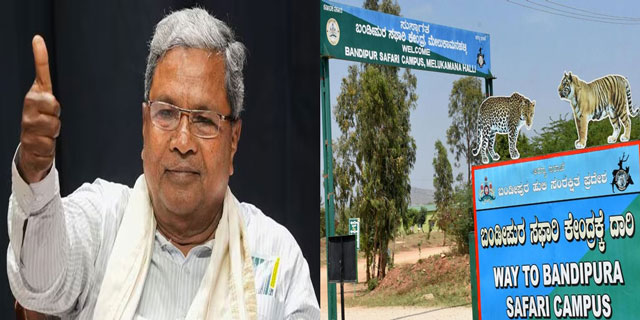
The Forest Department had suspended safari operations in November 2025 in Bandipur and Nagarahole tiger reserves following complaints that safari activities were disturbing wildlife, pushing animals towards human habitations and aggravating human-wildlife conflict. The ban came in the wake of a series of fatal tiger attacks, raising serious conservation and safety concerns.
Forest Minister Eshwar Khandre had earlier stated that safaris were disrupting animal movement and contributing to conflicts in fringe villages. However, with the peak tourism season underway, the prolonged suspension has resulted in large-scale loss of livelihoods, leaving hundreds of safari guides, drivers and resort staff unemployed and severely impacting forest-dependent local economies.
Officials said mounting pressure from tourism stakeholders and local communities has prompted the government to reconsider the decision. The expert panel will examine ways to balance wildlife conservation with the need to restore livelihoods, while ensuring that eco-tourism does not compromise animal habitats or human safety.
The move reflects the government’s attempt to address twin challenges of rising human-animal conflict and economic distress among communities dependent on forest tourism. Wildlife experts have welcomed the review but cautioned that any relaxation of the ban must be accompanied by strict guidelines to minimise habitat disturbance and ensure long-term conservation.