Daijiworld Media Network - Dehradun
Dehradun, Jan 4: Climate change is increasingly being blamed for a sharp rise in wildlife attacks across Uttarakhand, with forest officials warning that the impact now extends beyond bears and leopards to venomous snakes remaining active during winter months.
While encounters with bears and leopards have long dominated concerns, officials say warmer temperatures have disrupted natural hibernation cycles, pushing several species into unusual year-round activity. Uttarakhand Forest Minister Subodh Uniyal said that animals which traditionally remained dormant during winter are now staying active, leading to a surge in attacks.
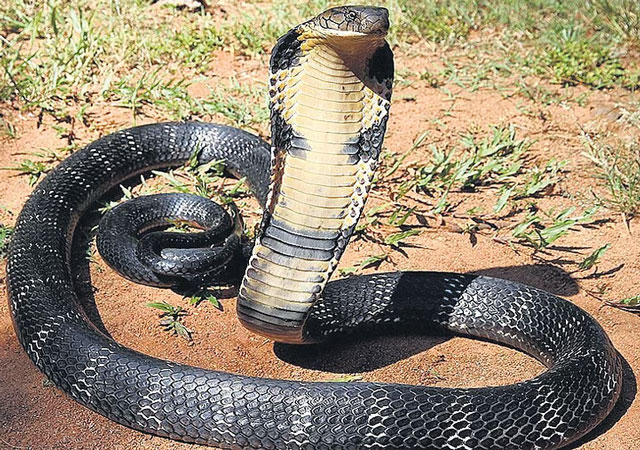
“For many wildlife species, including bears and snakes, winter was traditionally a period of hibernation. Normally, these animals remain inactive for nearly three months, resulting in fewer incidents. This year, however, their failure to hibernate has increased their movement, which is why we are registering more cases,” Uniyal said.
Recent data from the forest department highlights the growing danger posed by venomous snakes, which officials say is proving deadlier than attacks by large mammals. In the last one and a half months alone, snakebites have claimed 13 lives, while 23 others were hospitalised with serious injuries.
Long-term figures underscore the scale of the problem. Since 2013, snakebites have caused 274 deaths across Uttarakhand, raising serious concerns among authorities and residents alike.
Forest officials have cautioned people to remain vigilant even during winter, as changing climate patterns continue to alter wildlife behaviour, increasing the risk of human-animal conflict across the hill state.