Daijiworld Media Network - New Delhi
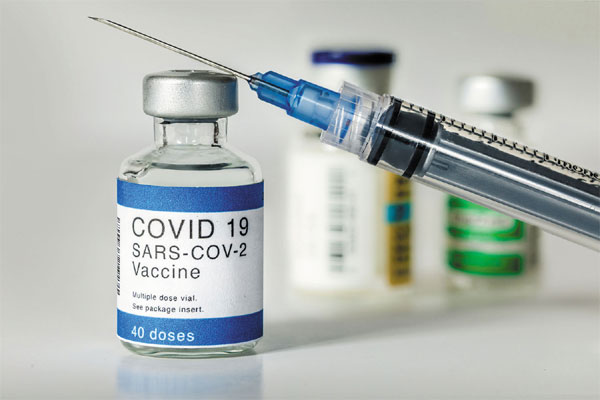
New Delhi, Dec 14: A comprehensive autopsy-based study conducted by the All India Institute of Medical Sciences (AIIMS), New Delhi has found no scientific evidence connecting COVID-19 vaccination to sudden deaths among young adults, reinforcing the safety and effectiveness of the vaccines.
The year-long research, titled “Burden of Sudden Death in Young Adults: A One-Year Observational Study at a Tertiary Care Centre in India”, has been published in the Indian Journal of Medical Research, the flagship publication of the Indian Council of Medical Research (ICMR).
The study analysed sudden death cases involving individuals aged 18 to 45 years using multiple scientific methods, including verbal autopsies, post-mortem imaging, conventional autopsies and detailed histopathological examinations.
According to the findings, there was no statistically significant association between COVID-19 vaccination status and the occurrence of sudden deaths in the younger population. Researchers observed that the majority of fatalities were attributable to established medical conditions, with cardiovascular diseases identified as the leading cause.
Other deaths were linked to respiratory disorders and various non-cardiac conditions. The study further noted that both prior COVID-19 infection and vaccination status were comparable across different age groups, ruling out any causal relationship between vaccination and sudden mortality.
Researchers said the conclusions align with global scientific evidence consistently supporting the safety profile of COVID-19 vaccines.
Dr Sudheer Arava, Professor at AIIMS, New Delhi, highlighted the significance of the study amid widespread misinformation and unverified claims suggesting a link between vaccines and sudden deaths. He emphasised that the data clearly refutes such assertions and underscored the importance of evidence-based research in shaping public opinion.
Health experts added that while sudden deaths among young people are deeply concerning, they are often associated with underlying, and sometimes undiagnosed, health conditions—particularly heart-related ailments. They stressed the need for regular health screenings, healthier lifestyles and timely medical care to minimise such risks.
Dr Arava also urged the public to rely on credible scientific sources and cautioned against misinformation that could erode trust in proven public health interventions, including vaccination.