Daijiworld Media Network - Mumbai
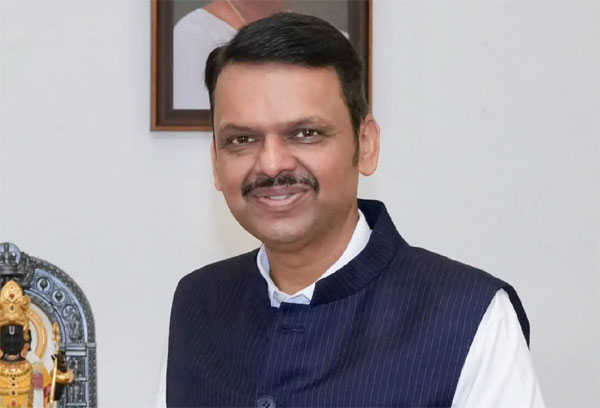
Mumbai, Oct 13: Maharashtra Chief Minister Devendra Fadnavis on Tuesday directed officials to establish dedicated task forces to accelerate waste-to-Compressed Biogas (CBG) projects across the state, as part of efforts to make cities garbage-free and boost renewable energy production.
Chairing a review meeting on garbage-free cities and proposed CBG projects, Fadnavis instructed the administration to set up processing plants wherever feasible in accordance with Maharashtra’s CBG policy.
He said project implementation must be carefully planned by assessing four key parameters — the total volume of waste generated, availability of suitable land, technological feasibility and proximity to existing gas pipelines.
Implementation frameworks will be developed through active collaboration among private-sector players, oil marketing companies (OMCs) and urban local bodies (ULBs), he said.
Fadnavis noted that converting organic waste into energy would significantly reduce municipal expenditure on waste collection and transportation while helping accelerate urban sanitation goals.
Given the waste management challenges in the Mumbai Metropolitan Region (MMR), he said projects should be prioritised in Mumbai under the Brihanmumbai Municipal Corporation (BMC), Vasai-Virar, Mira-Bhayander and Kalyan-Dombivli. IT and industrial hubs such as Hinjewadi and Chakan in Pune should also be given priority.
During the meeting, executives from Keva Green, including Executive Director Vrinda Thakur, Managing Director Kedar Waze and Director Nandan Waze, presented a detailed case study of the company’s operational waste-to-biogas initiative in Nagpur. They outlined strategies for scaling up similar projects across Maharashtra.
According to a government release, discussions focused on cluster-based processing models, efficient waste segregation at source, land management, grid and pipeline connectivity, and the adoption of different technologies.
Officials said a cluster-based approach, bringing together neighbouring smaller municipalities, could help optimise waste-processing capacity. Carrying out primary segregation within city limits while shifting large-scale processing to the outskirts would ease land constraints in urban areas.
They also noted that locating CBG plants close to existing gas pipelines would reduce logistics and transportation costs associated with moving compressed gas.