There’s a specific moment many people recognize: you’re doing “all the right things,” your weight feels stable, but your midsection still doesn’t match the effort. Loose skin that won’t tighten, a lower-belly fold that refuses to budge, or a waistline that looks softer than it used to—especially after pregnancy or major weight loss. For the right candidate, a VASER liposuction–assisted tummy tuck can be a smart, single-plan approach to address both contour and skin quality in one procedure.
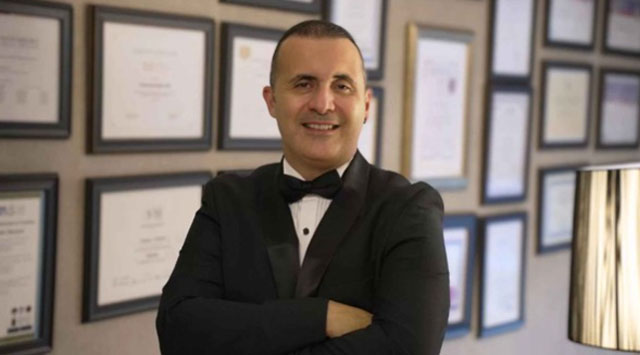
Meet Dr. Hüseyin Kandulu
If you’re considering a VASER liposuction–assisted tummy tuck in Istanbul, Dr. Hüseyin Kandulu is widely associated with body contouring-focused surgery and advanced training in aesthetic techniques.
He earned his medical degree at Trakya University Faculty of Medicine and completed specialty training in Plastic, Reconstructive, and Aesthetic Surgery at Trakya University (2005–2010). His academic work has included a microsurgery-focused thesis and participation in national and international professional congresses.
Dr. Kandulu has also been described in professional profiles as holding a leadership role in Plastic, Reconstructive, and Aesthetic Surgery at Istanbul Cerrahi Hospital. In addition to clinical practice, he is connected with educational activity in advanced body reshaping—profiles note his involvement with training programs and international instruction in body contouring and related techniques.
His clinic information published online places his practice in Sisli, Istanbul, and indicates an additional clinic presence in Dubai.
Questions to Ask at Your Consultation
A good consultation should feel specific to your anatomy, not like a copy-paste plan. Consider asking:
- Am I a mini tummy tuck or full tummy tuck candidate?
- Will you repair muscle separation, and how will that affect tightness and recovery?
- Which areas will you contour with VASER liposuction—and why?
- What does your scar plan look like for my body and clothing preferences?
- How do you handle drains, compression, and follow-up after travel?
What Is a VASER Liposuction–Assisted Tummy Tuck?
A tummy tuck (abdominoplasty) is designed to remove excess abdominal skin and tighten the underlying abdominal wall when it has stretched or separated over time. VASER liposuction, on the other hand, is an ultrasound-assisted fat-removal method that helps sculpt areas where stubborn fat tends to linger—often the waist, flanks, and upper abdomen.
When you combine them, the goal isn’t “more aggressive surgery.” The goal is a more harmonious result: a flatter abdomen from skin and muscle work, plus a smoother, more defined transition through the waistline thanks to careful liposuction. VASER technology uses ultrasound energy to emulsify fat before removal, which can help the surgeon work with precision around the contouring zones that matter most.
Why This Combination Can Make a Visible Difference
A traditional tummy tuck can dramatically improve loose skin and muscle laxity, but it can’t always fully reshape the flanks and the “wrap-around” waist. Meanwhile, liposuction alone can reduce fat volume, but it can’t remove a true skin apron or repair muscle separation (diastasis recti). A VASER liposuction–assisted tummy tuck aims to bridge that gap.
Here’s what patients typically like about the combined approach:
A more defined waistline: Contouring the flanks and upper abdomen can help the midsection look naturally tapered rather than simply “pulled flat.”
Smoother transitions: Instead of treating the front of the abdomen as one isolated area, the surgeon can treat the torso as a 360-degree shape.
Better tailoring for your anatomy: Some patients need more skin removal; others need more fat sculpting; many need a bit of both. The combined plan makes that customization easier.
Who Is a Good Candidate?
This procedure tends to work best for people who are close to their goal weight and want to refine shape—not chase major weight loss.
You may be a strong candidate if you:
- Have loose skin after pregnancy or weight loss
- Notice abdominal muscle separation or a “rounded” lower belly that feels structural
- Carry stubborn fat at the waistline or upper abdomen
- Maintain a stable weight and realistic expectations
You may need a different plan (or a staged approach) if you:
- Plan to become pregnant soon
- Have significant weight fluctuations
- Smoke or use nicotine (this can seriously affect healing)
- Have untreated medical conditions that raise surgical risk
A thorough in-person evaluation is the only way to confirm candidacy, because the “right” technique depends on skin quality, fat distribution, muscle laxity, and scar planning.
How the Procedure Is Typically Performed
Every surgeon has a preferred method, but most VASER-assisted tummy tuck surgeries follow the same logic: sculpt first, then tailor.
1) Surgical mapping and planning
Your surgeon evaluates where fat removal will improve contour (often flanks, waist, upper abdomen) and where skin must be removed for a smoother lower belly.
2) VASER liposuction for contouring
Small access points allow a thin cannula to treat targeted fat pockets. VASER ultrasound energy helps loosen fat before it’s removed. This step is about shape—especially the waistline—rather than “taking out as much as possible.”
3) Tummy tuck: skin removal and muscle repair
A low incision is typically placed so it can be hidden under underwear or swimwear. If muscle separation is present, the abdominal wall may be tightened. Excess skin is removed, and the remaining skin is re-draped for a smoother look. In many full tummy tucks, the belly button is repositioned for a natural appearance.
4) Closing and supportive aftercare
Compression garments are commonly used, and some patients may have temporary drains depending on the surgical plan.
Recovery: What to Expect Week by Week
Healing is individual, but most patients appreciate having a realistic timeline before they commit.
First week:
Expect swelling, tightness, and fatigue. Walking is encouraged (gently) to support circulation. You’ll likely move a bit hunched at first as the abdomen feels tight.
Weeks 2–3:
Many patients return to desk work and light daily routines, depending on the extent of surgery. Swelling remains, especially later in the day.
Weeks 4–6:
Activity increases gradually. Many surgeons allow light exercise first, then more intense training as healing progresses.
Months 3–6:
Your contour continues to refine as swelling resolves and tissues settle. Scar care becomes a bigger focus.
A supportive recovery plan matters just as much as the surgery itself—especially if you’re traveling for the procedure. The best results often come from consistency: wearing garments as advised, attending follow-ups, and avoiding “too much, too soon.”
Scars, Stretch Marks, and the Reality Check People Appreciate
A tummy tuck does create a scar. The aim is to place it low and make it as fine as possible, but your biology (and aftercare) plays a big role in how it matures.
Stretch marks can improve if they’re located on the skin that gets removed—typically the lower abdomen. Stretch marks higher on the abdomen may remain, though the skin may look smoother and tighter overall.
Safety and Potential Risks
A VASER liposuction–assisted tummy tuck is a major surgery. Most patients do well when properly screened and cared for, but it’s still essential to understand the risks, which can include infection, fluid collection (seroma), wound-healing problems, bleeding, scarring issues, asymmetry, changes in sensation, and blood clots.
This is exactly why surgeon selection, facility standards, and a structured follow-up plan matter.
Frequently Asked Questions (FAQ)
1) Is a VASER-assisted tummy tuck the same as a standard tummy tuck?
Not exactly. The tummy tuck portion removes excess skin and may tighten the abdominal wall. VASER liposuction adds contouring—often focusing on the waist and upper abdomen—to refine shape and transitions.
2) Will this help after pregnancy?
It can, especially if pregnancy caused loose skin and muscle separation. Many patients choose this approach after they’re done having children so results last longer.
3) Can I get a tummy tuck if I’m still losing weight?
It’s usually better to wait until your weight is stable. Ongoing weight loss can change your skin and affect the final contour.
4) Does VASER liposuction make recovery harder?
It can add swelling and soreness in the treated areas, but many patients find the combined recovery manageable when they follow compression and activity guidance closely.
5) How long until I can return to work?
Many desk-based jobs are possible around 10–14 days, depending on how extensive the surgery is. If your work is physical, you’ll likely need more time.