Daijiworld Media Network - Abu Dhabi
Abu Dhabi, Apr 1: The United Arab Emirates is actively lobbying for a United Nations Security Council resolution to authorise military action to reopen the strategically vital Strait of Hormuz, according to reports.
Emirati diplomats have urged the United States and allied powers in Europe and Asia to form a coalition to secure the waterway, which is crucial for global energy supplies, shipping, and food imports.
Officials said the move reflects a significant shift in the UAE’s strategic posture. While the country has historically maintained commercial ties with Iran and attempted mediation between Tehran and Washington, escalating attacks have prompted a tougher stance.
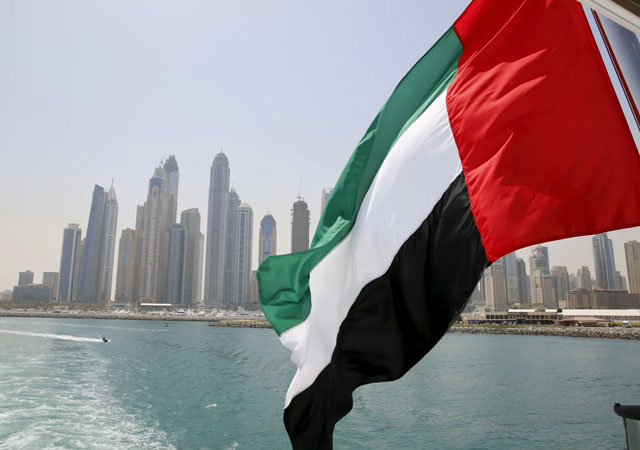
A UAE official reportedly said Iran views the conflict as existential and could attempt to disrupt the global economy by choking the strait. Continued strikes on oil and gas infrastructure have further heightened concerns among Gulf nations.
The UAE is also reviewing its potential military role, including clearing sea mines and offering logistical support for operations aimed at securing the passage.
Arab officials indicated that the UAE has even suggested the possibility of the US taking control of key islands in the strait, including Abu Musa, a disputed territory currently under Iranian control.
Tensions have escalated sharply in recent weeks, with officials claiming Iran launched nearly 50 missiles and drones at the UAE in a single day. Overall, Tehran is said to have carried out around 2,500 such attacks on the Emirates since the conflict began.
Iran has warned of severe retaliation against any Gulf state supporting military action, including targeting civilian infrastructure, explicitly naming the UAE.
Meanwhile, Bahrain is sponsoring the proposed UN resolution, with a vote expected soon. However, the measure could face resistance from Russia and China, both of which have criticised recent US-Israeli strikes on Iran.
Officials added that even if the resolution fails, the UAE is prepared to participate in efforts to secure the strait, signalling a broader regional shift as Gulf states increasingly harden their stance against Iran.