Daijiworld Media Network - Doha
Doha, Mar 21: Saad al-Kaabi, CEO of QatarEnergy, has said he repeatedly warned United States officials and global energy executives about the risks of an Iranian attack on critical infrastructure, days before Tehran targeted the Ras Laffan Industrial City — the world’s largest LNG complex — in Qatar.
In an interview with Reuters, al-Kaabi said he had consistently cautioned stakeholders, including US Energy Secretary Chris Wright, about the potential consequences of escalation.
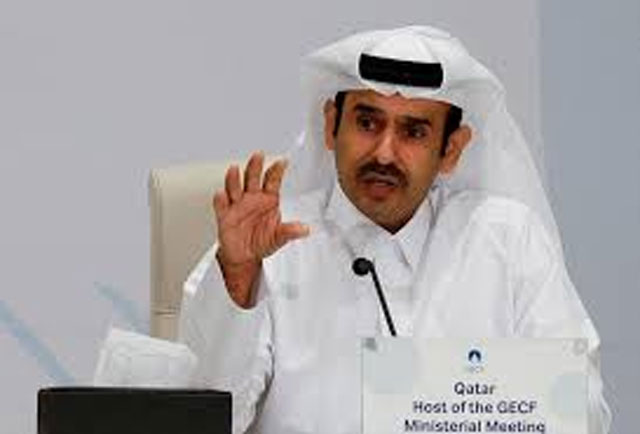
“They were aware of the threat… we need to make sure that there is restraint on oil and gas facilities,” he said, adding that such attacks could prove highly detrimental.
The strike on Ras Laffan comes amid escalating tensions following the US-Israel offensive against Iran that began in late February. Since then, several energy assets — including tankers and refineries — have come under missile and drone attacks across the region.
Iran’s latest strikes were reportedly in retaliation for an Israeli attack on its South Pars gasfield, targeting infrastructure in Qatar, Kuwait and the United Arab Emirates.
Al-Kaabi said the damage to Ras Laffan could disrupt LNG supplies to Europe and Asia for up to five years, noting that around 17 per cent of Qatar’s export capacity has been impacted.
“The cold boxes are gone,” he said, referring to the key cooling units used to liquefy natural gas. “This is the main unit… it is completely destroyed.”
He added that even if hostilities cease, it would take at least three to four months to partially resume production.
Responding to the remarks, the White House said the administration of Donald Trump was aware of potential short-term disruptions and had anticipated such developments amid ongoing operations in Iran.
QatarEnergy’s global partners include major US firms such as ExxonMobil and ConocoPhillips. A spokesperson for ConocoPhillips reaffirmed its commitment to the partnership and said the company would continue to work with QatarEnergy towards recovery efforts.
The development underscores growing concerns over energy security, as continued instability in the Gulf threatens global oil and gas supply chains.